
Let me paint you a picture. You’ve finally done it. You’ve saved up, scrolled through a thousand glossy Instagram reels, and pulled the trigger on that stunning, gleaming row of copper pans. They look like jewelry for your kitchen. You hang them on a rack just to admire them.
Then, you cook an egg.
It sticks like concrete. The heat is wildly uneven. Your beautiful pan turns splotchy brown. You start sweating, wondering if you’ve just wasted a mortgage payment on cookware that hates you.
Here is the secret the luxury magazines won’t tell you: Your copper pan isn’t the problem. Your stove is.
Before you spend another dollar (or ruin another omelet), you need to understand the war between Gas and Electric stoves. Pick the wrong match, and you’ll hate cooking. Pick the right one, and you’ll feel like a Michelin-star chef. Let’s tear down the myths right now.
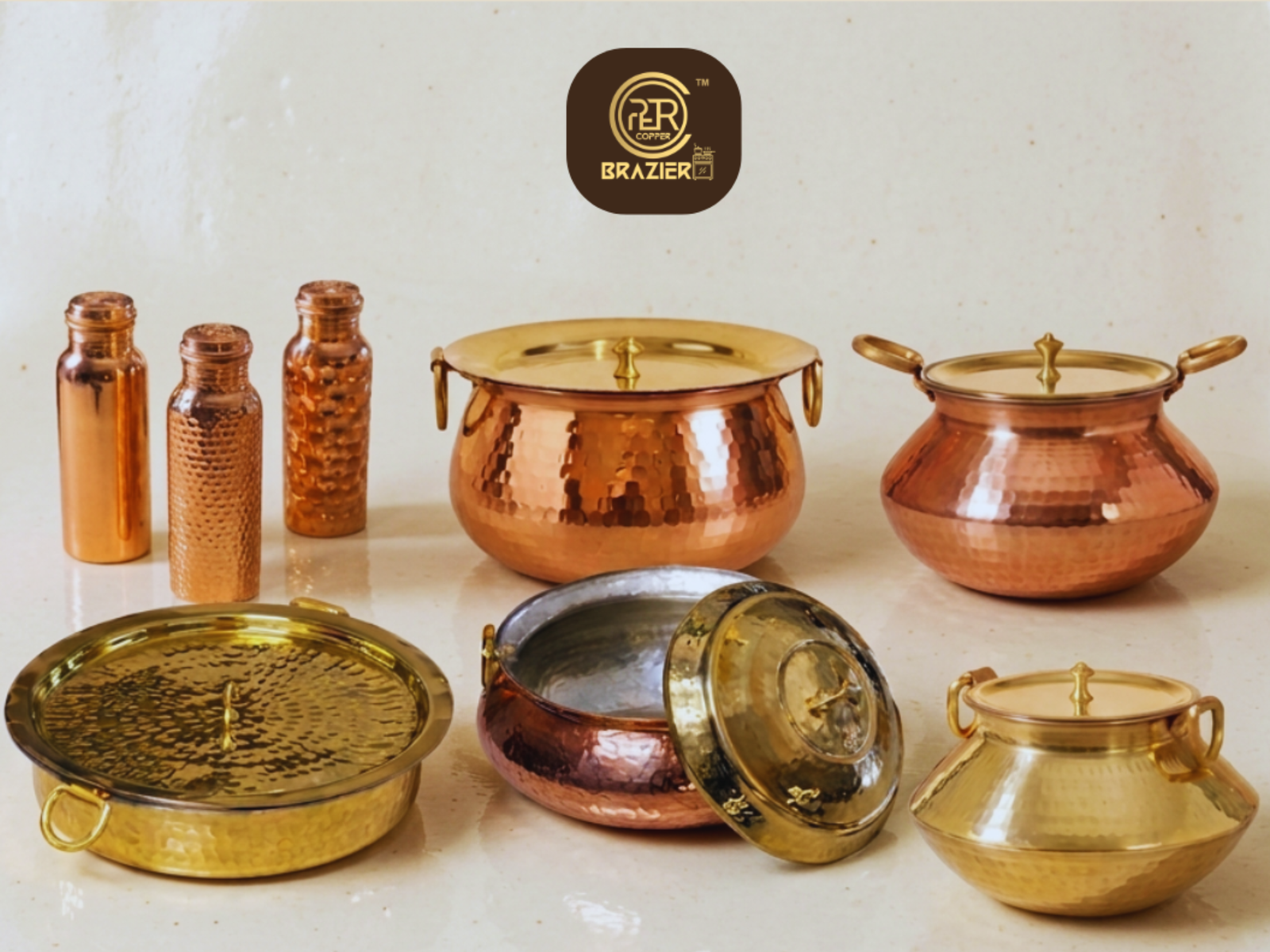
The Gas Stove: The Natural Best Friend of Copper
If copper cookware were a celebrity, gas stoves would be its childhood best friend. Here is why gas wins for copper.
The Instant Reaction: Copper is the most responsive metal on earth. Turn a gas flame up, and the pan gets hotter in seconds. Turn it down, and it drops instantly. This is why chefs love copper—it gives you absolute control. On a gas stove, you are the master of thermodynamics.
The Open Flame Forgiveness: Gas flames lick around the sides of the pan. This is critical because copper conducts heat so fast that the sidewalls get hot, too. No cold spots. No burnt centers.
The Warning (Don’t Ignore This): On gas, the flame should never creep up the sides of the pan. If you see orange flames climbing the shiny metal, you are creating a “hot wall.” This will melt the tin lining (if it’s traditional) or discolor the exterior permanently. Keep the flame under the base, and you’re golden.
The Electric Stove: The Tricky Lover
Now, let’s talk about the elephant in the room. Electric stoves—especially the flat-top glass or ceramic ones—are the most popular stoves in modern apartments. And they are the most dangerous for your copper pans if you don’t know the rules.
The Warping Nightmare: Electric coils and glass tops get fiercely hot in a specific circle. Unlike gas, the heat has nowhere to go but straight up. Copper expands fast. If you drop a cold copper pan onto a screaming-hot electric coil, the metal expands unevenly, and pops—your flat bottom becomes a wobbly spinner. Once a copper pan warps, it never recovers.
The Slow Burn Trap: Remember how copper reacts instantly? An electric stove reacts slowly. If you turn the dial down, the coil stays hot for minutes. Your copper pan will cool down immediately, but the stove won’t. This mismatch creates a “yo-yo” effect where your butter burns, then solidifies, then burns again.
The Scratch Factor: Most copper pans have a stainless steel or tin lining. On a glass-top electric stove, dragging a heavy copper pan (they are heavy!) can scratch the glass like a diamond cutter. And if you have exposed copper on the bottom? It can fuse to the glass top. Yes, fuse. You might literally weld your pan to your stove.
The Ultimate Cheat Sheet: Which Copper Pan Should You Buy?
You cannot just buy “a copper pan.” You must buy the right construction for your heat source.
- For Gas Stoves: Buy any thickness. Traditional tin-lined copper is perfect here. Go for 2.0mm to 2.5mm thickness for even flame distribution.
- For Electric Stoves: You must buy copper pans with a ferromagnetic stainless steel base (usually a layer of steel sandwiched on the bottom). Why? Because induction and electric tops need a flat, rigid base that won’t warp. Steel adds structure. Do not buy “pure” copper for electric coils unless you want a spinning top.
The One Mistake That Kills Both Stoves
Whether you have gas or electric, do not fall for the “decorative copper” scam. You see those cheap pans at home goods stores that look like a penny? They have 0.3mm of copper. That is basically copper-colored foil glued to aluminum. On gas, they burn instantly. On electric, they buckle.
Real copper cookware starts at 1.5mm thickness. Anything less is a costume, not a tool.
How to Cook Like a Pro?
- Preheat gently. On electric, start at low heat for 60 seconds before turning it up. On gas, never blast the flame under an empty pan.
- The Water Test: Flick water into the pan. If it dances (Leidenfrost effect), you’re ready to cook. If it evaporates instantly, your pan is too hot.
- Clean immediately. Acidic foods (tomatoes, vinegar) react with raw copper. Always clean and dry your pans the second dinner is plated.
The Bottom Line
Copper pans are not “hard to use.” They are specific. Match them to a gas stove, and you have heaven. Use them on a cheap electric coil without a steel base, and you have a wobbly, burnt mess.
But here is the real problem: Most stores sell you junk because the salespeople have never held a pan over a fire. You need a source that lives and breathes the metal.