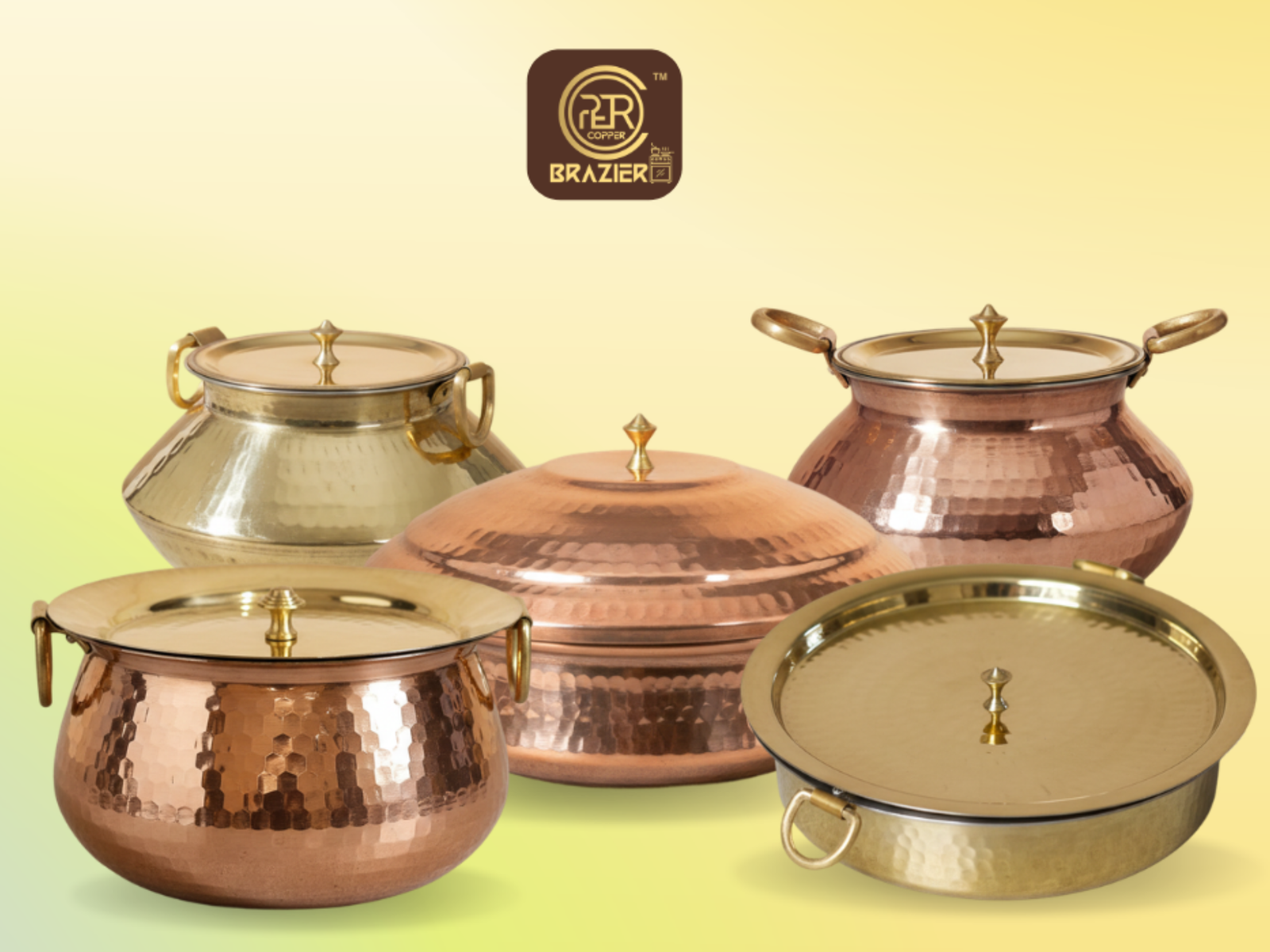

Copper & Brass Pooja Accessories for the Festive Season
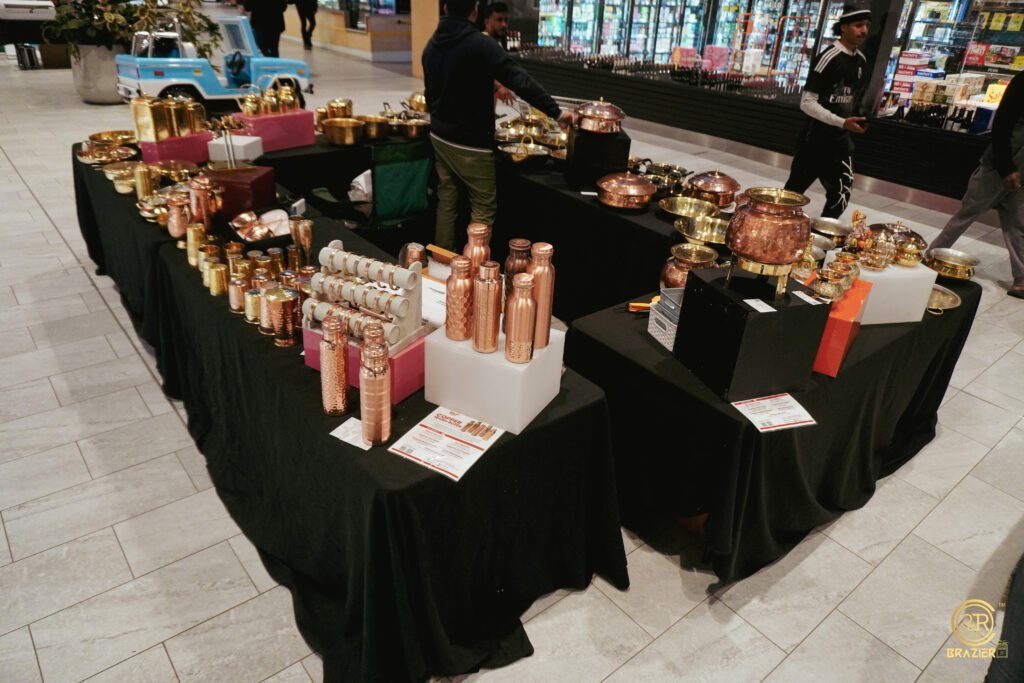
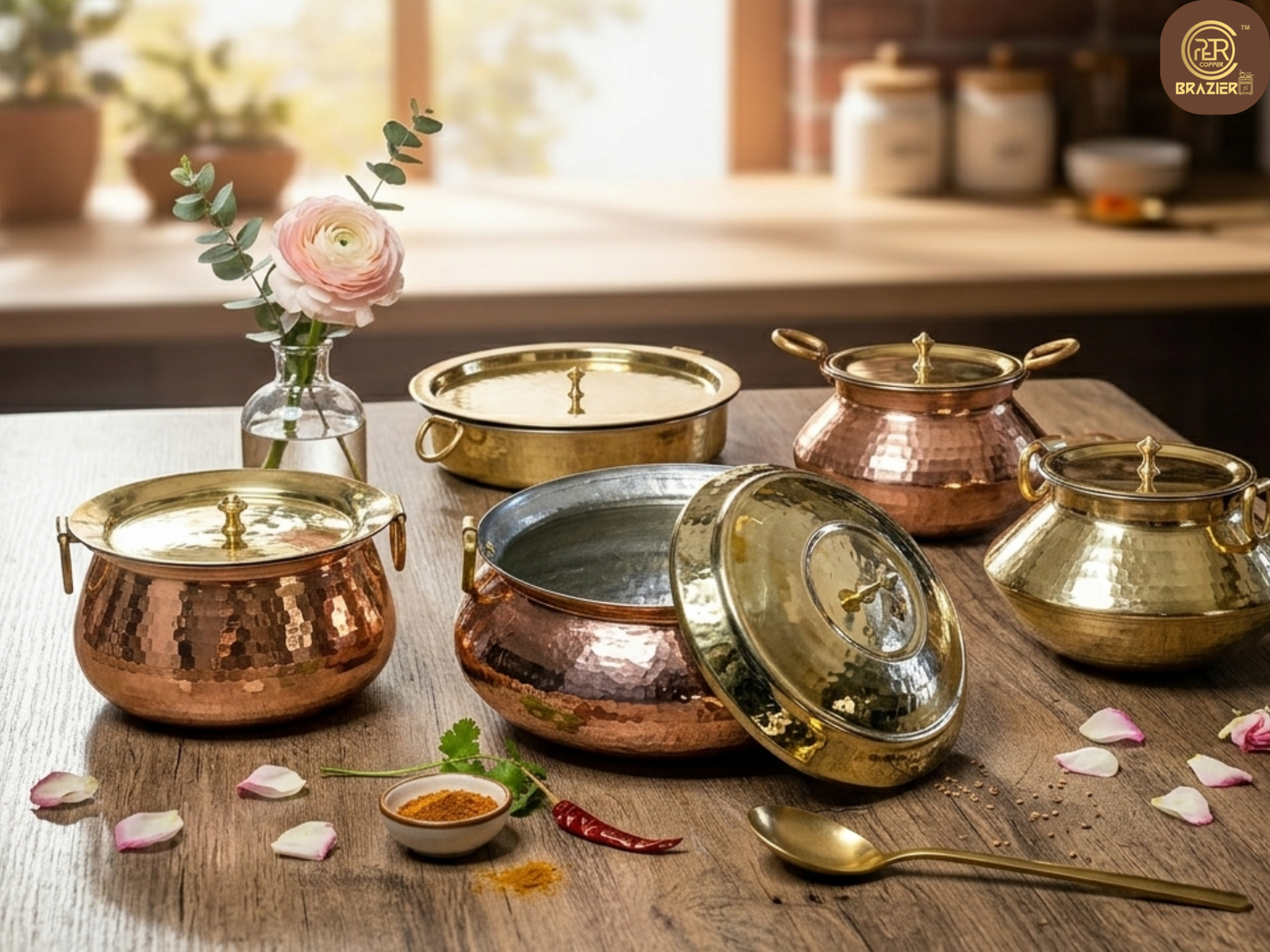
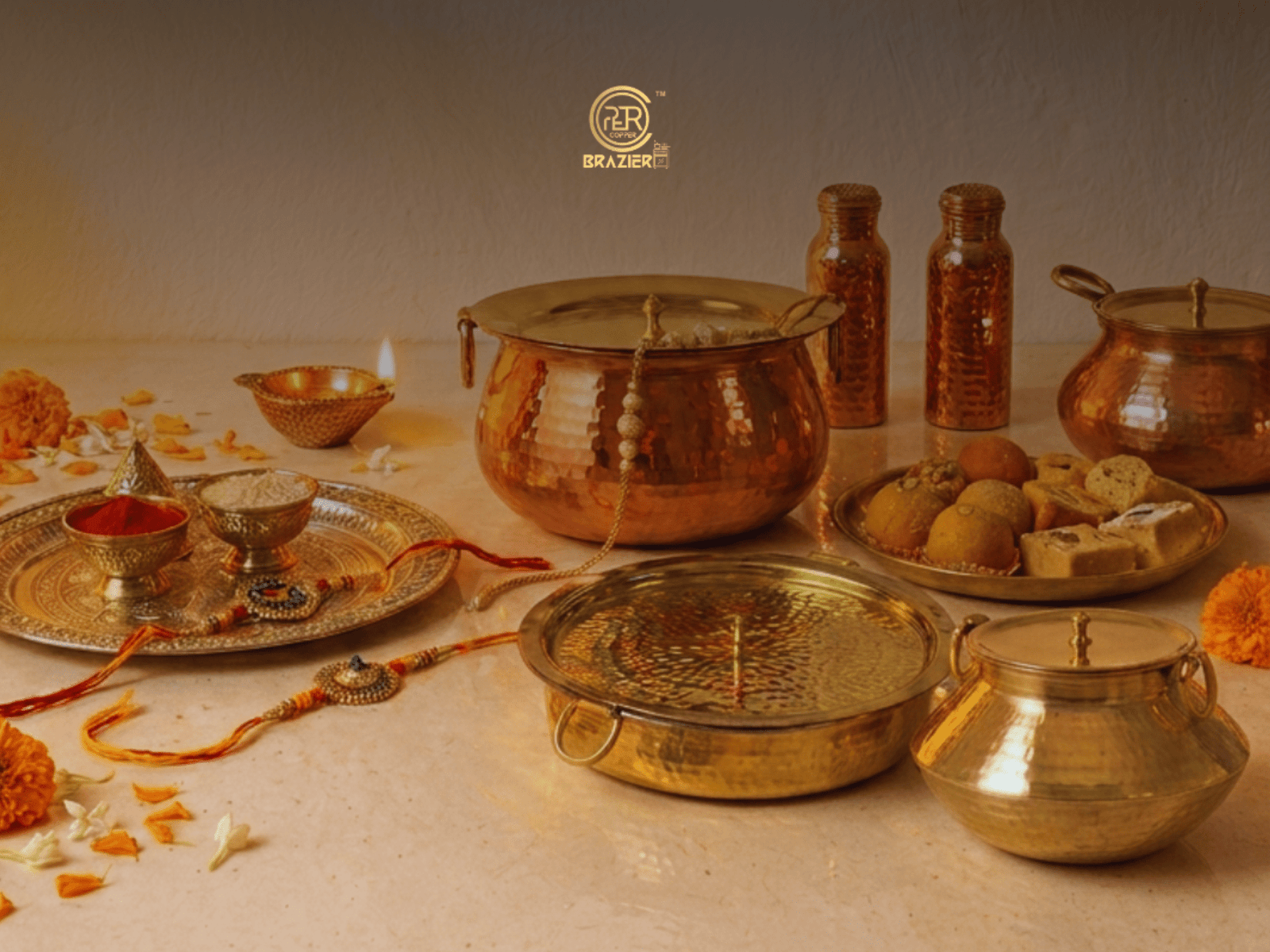
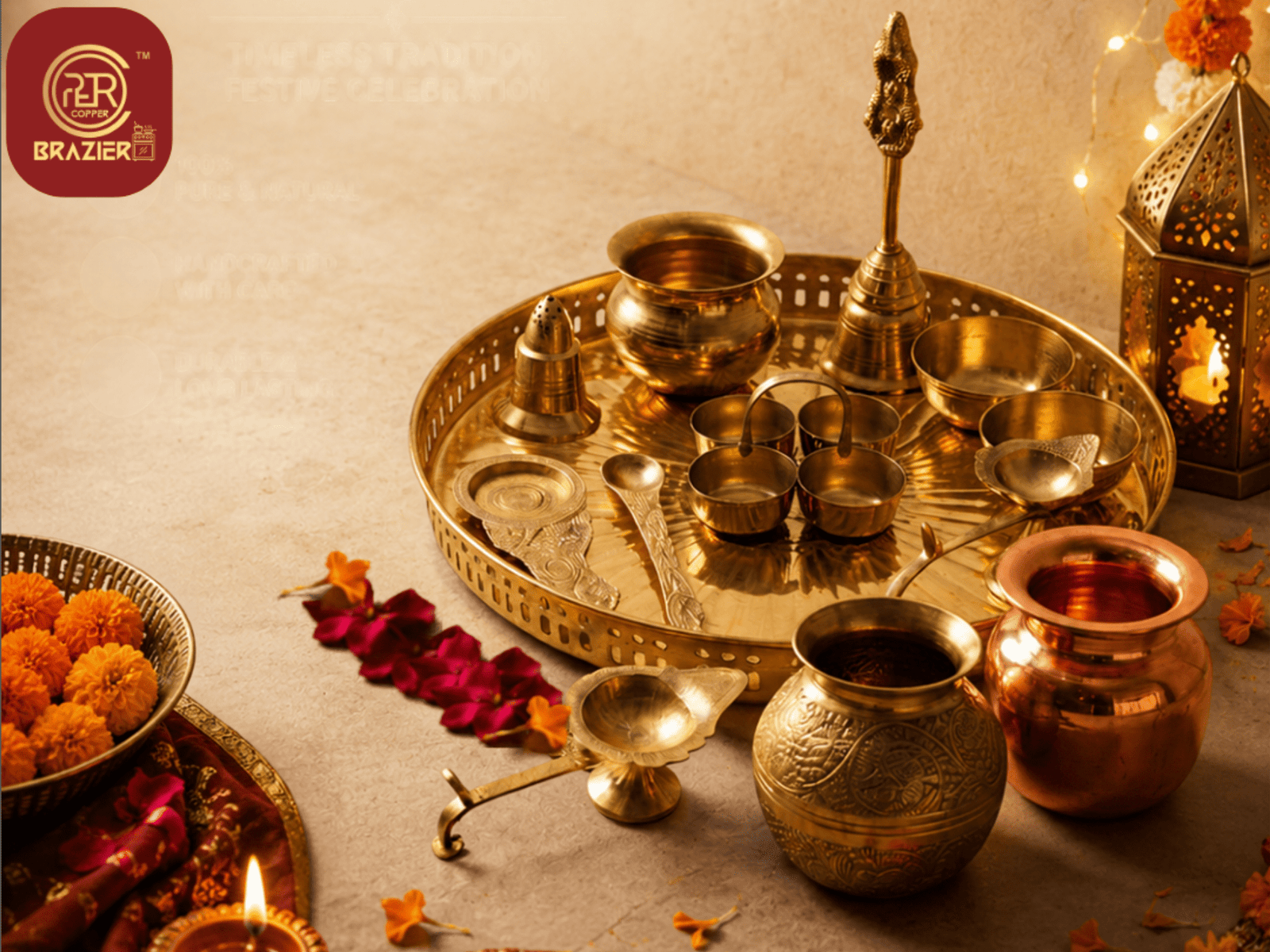
The festive season is a beautiful time to celebrate traditions, bring family and friends together, and create a warm and welcoming atmosphere at home. From decorating your living space to preparing your pooja room, every little detail adds to the spirit of the celebration. Among the many elements of traditional Indian celebrations, Copper & Brass Pooja Accessories hold a special place. Their timeless appearance, traditional craftsmanship, and warm metallic finishes make them a beautiful addition to any festive pooja setup. Whether you are preparing your home for Diwali, Dhanteras, Navratri, Ganesh Chaturthi, or another special occasion, traditional Copper & Brass Pooja Accessories can help create an elegant and meaningful pooja space. Why Copper & Brass Are Popular for Pooja Accessories? Copper and brass have been used in Indian households and traditional practices for generations. Beyond their beautiful appearance, these metals are closely associated with traditional Indian craftsmanship and decor. Their natural metallic finishes can instantly add warmth and character to a pooja space. Timeless Traditional Beauty One of the biggest attractions of copper and brass is their timeless appeal. Unlike temporary festive decorations, well-crafted Copper & Brass Pooja Accessories can remain a part of your home for years. The warm reddish tone of copper and the rich golden appearance of brass can beautifully complement flowers, diyas, rangoli, and other festive decorations. A Touch of Indian Heritage Traditional pooja accessories are more than decorative objects. They can represent a connection to Indian customs, family traditions, and generations of craftsmanship. Choosing handcrafted-looking copper and brass pieces allows you to bring this heritage-inspired aesthetic into your modern home. Suitable for Festive & Everyday Pooja While festivals are the perfect occasion to showcase beautiful pooja accessories, many copper and brass pieces can also become part of your regular pooja setup. This makes them a practical and meaningful addition to your home rather than a decoration used only once a year. Must-Have Traditional Copper Pooja Accessories If you prefer the warm and distinctive look of copper, there are several copper pooja accessories that can complement your home mandir. Copper bowls, plates, containers, diyas, and other traditional pooja essentials can be arranged together to create a coordinated look. When selecting copper pooja items, consider the size, design, finish, and functionality of each piece. Choosing accessories that work well together can make your pooja area look more organized and elegant. Brass Pooja Accessories for a Classic Festive Look Brass is another timeless choice for traditional pooja décor. Its rich golden finish naturally creates a festive atmosphere and pairs beautifully with traditional Indian decorations. Brass pooja accessories can include diyas, plates, bowls, bells, containers, and other traditional essentials. A beautifully arranged brass collection can add a classic touch to your pooja room while complementing festive elements such as marigold flowers, rangoli, and decorative lights. Copper & Brass Pooja Accessories You do not have to choose between copper and brass. Combining both metals can create a beautiful and balanced festive setup. Copper adds warmth and a distinctive reddish tone, while brass introduces a rich golden element. For example, you can pair a copper pooja accessory with brass diyas or decorative elements to create a layered traditional look. The key is to keep the arrangement balanced and choose pieces that complement each other in terms of size, design, and finish. How to Create a Traditional Festive Pooja Setup? A beautiful pooja setup is all about thoughtful placement. You can create a traditional look without making the space feel crowded. 1. Clean & Organize Your Pooja Space Begin with a clean and uncluttered pooja area. Arrange the essential items neatly and leave enough space between accessories. 2. Add Traditional Copper & Brass Pieces Place your essential copper and brass pooja items where they are easy to access during your rituals. Choose pieces that are both functional and visually appealing. 3. Add Flowers & Garlands Fresh flowers can instantly enhance a festive pooja setup. Traditional flowers and garlands can add color and create a welcoming atmosphere. 4. Decorate With Diyas Diyas are an important part of many Indian festivals. Place them thoughtfully around your pooja area to complete the festive look. 5. Add a Traditional Rangoli A beautiful rangoli near the entrance or pooja area can bring an additional festive element to your home. 6. Keep the Setup Elegant You don’t need dozens of decorative pieces. A carefully selected collection of quality traditional Copper & Brass Pooja Accessories can create a more refined and elegant appearance. How to Choose the Right Copper & Brass Pooja Accessories? With so many options available, selecting the right pooja accessories can sometimes feel overwhelming. Keep these points in mind when building your collection. Consider the Size Choose accessories according to the size of your pooja room or mandir. Smaller spaces usually work better with compact pieces, while larger setups can accommodate bigger accessories. Look for Quality Craftsmanship Pay attention to the finishing, detailing, and overall craftsmanship. Beautifully finished copper and brass pieces can add a premium touch to your festive setup. Choose Timeless Designs Traditional designs are less likely to go out of style. Look for pieces that you can continue using during different festivals and special occasions. Think About Functionality A good pooja accessory should not only look beautiful but should also suit the way you perform your rituals. Make Your Festive Celebrations More Special Festivals are about more than decorations. They are about traditions, family, gratitude, and creating memories. A beautifully arranged pooja space can become an important part of these celebrations. Traditional copper and brass accessories can help bring together the beauty of Indian craftsmanship and the warmth of festive décor. Whether you are setting up a new home mandir, refreshing your existing pooja collection, or looking for a meaningful festive gift, copper and brass accessories offer a timeless choice. Traditional Pooja Accessories as Thoughtful Gifts Looking for a traditional gift for the festive season? Copper and brass pooja accessories can make thoughtful choices for family members, friends, and loved ones. They