
The gorgeous, gleaming Copper and Brass Cookware hanging in a fancy kitchen or brass glasses showing up on your Instagram feed. They look like art. They promise a level of cooking control that non-stick pans could only dream of.
But then, you start reading the comments. Someone mentions “toxicity.” Another person warns about “leaching.” Suddenly, that beautiful pan looks a little less appetizing.
So, what is the truth? Is copper cookware a chef’s secret weapon or a health hazard waiting to happen? The answer, luckily, isn’t scary—it’s actually pretty simple. It all comes down to one thing: How you choose.
Let’s cut through the noise and figure out exactly how to bring the safest, most effective cookware into your kitchen without the risk.
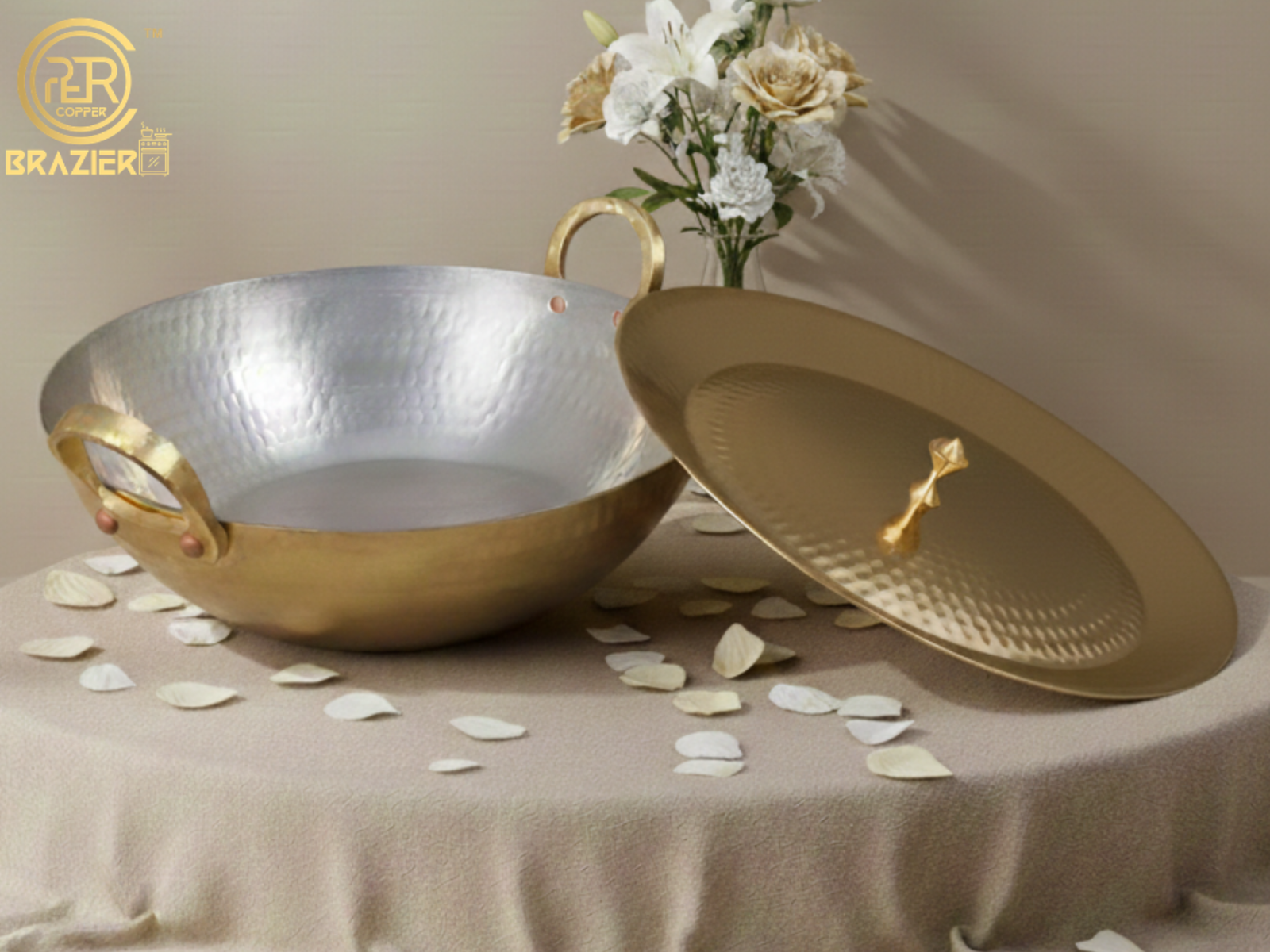
The Science of “Leaching” in Copper and Brass Cookware
First, let’s address the elephant in the room: Toxicity.
Copper and Brass Cookware (which is an alloy of copper and zinc) are “reactive” metals. This is a scientific way of saying that when they come into contact with certain foods—specifically acidic ones like tomatoes, vinegar, or lemon juice—tiny molecules of the metal can transfer into your food.
If you consume too much free copper, it can lead to nausea and other health issues. That is a fact.
However, this doesn’t mean you have to throw away your grandmother’s copper pan. It just means you need to be smart about the construction of that pan.
The Golden Rule: Look for the Lining
Here is the single most important tip you will ever read about buying copper cookware:
If it is unlined, do not cook acidic food in it.
Traditional copper cookware (specifically for things like whipping egg whites) is unlined. But for everyday cooking like stews, sauces, and curries, the copper must be separated from the food by a barrier.
When shopping for safe cookware, you are looking for two specific types of linings:
1. Tin Lining (The Traditional Choice)
Tin has been used to line copper pots in France for centuries.
- The Pros: It is naturally non-stick, requires no “seasoning,” and is fantastic for delicate cooking.
- The Catch: Tin is a soft metal. It will wear down over time and will eventually need to be re-tinned by a professional.
- The Safety: Tin is non-toxic and safe for cooking. As long as the tin layer is intact, your food is safe from copper leaching.
2. Steel Lining (The Modern Workhorse)
This is what you will find in most high-end, contemporary copper cookware.
- The Pros: It is durable. You can use metal utensils, you can cook highly acidic tomatoes all day long, and it is dishwasher safe (though hand washing is always better).
- The Safety: Stainless steel is completely inert. It will not react with food, ensuring zero copper leaching.
Bottom line: If the inside of the pot is shiny and silvery (stainless steel) or looks like old silverware (tin), you are holding a safe piece of cookware.
The Red Flag: Brass and Unlined Copper
Now, let’s talk about what to avoid.
You might see beautiful, hammered brass cookware or solid copper mugs at a market. If the inside of that brass cup or copper pot is bare metal (a yellow/gold or reddish color), do not cook with it.
This type of cookware is usually intended for serving or as decorative pieces, not for boiling or simmering. Using them for hot liquids is where the risk of zinc or copper toxicity comes into play.
Your 3-Step “Safe Shopping” Checklist
Use this checklist the next time you are browsing for cookware online or in a store:
- The Magnet Test: High-quality copper cookware for induction stoves will have a magnetic stainless steel interior or a heavy iron handle. This ensures conductivity and safety.
- The Scratch Test (Visual): Look at the inside of the pan. Can you see the copper color peeking through a worn-out lining? If yes, that pan needs to be retired or re-tinned. It is no longer safe.
- The “Acid” Rule: Even with safe cookware, if you are simmering a heavy tomato sauce for 4 hours, stainless steel is your best friend. Tin is great, but stainless is invincible against high-acid, long-cooking foods.
Why Bother with Copper at All?
Given the risks, why not just stick to stainless steel or ceramic?
Because copper offers something no other material does: Thermal conductivity.
Copper heats up instantly and evenly. It prevents “hot spots” where your food can burn. It gives you the precise temperature control you need to make perfect caramel, delicate fish, or creamy risotto. When it is made correctly and safely, it is the best cooking surface on the planet.
Final Thoughts
Safe copper and brass cookware isn’t a myth. It exists. It just requires you to be a smart shopper.
- Choose lined cookware (stainless steel or tin).
- Avoid cooking acidic foods in unlined vessels.
- Inspect your vintage finds to ensure the lining isn’t worn away.
Navigating the world of safe, high-performance Copper and Brass Cookware can be overwhelming. You want the beauty and precision of copper, but you need the peace of mind that comes with modern safety standards.
If you wanna know more about the cookware safety, benefits, or you want the cookware to upgrade your kitchen then your trusted and 100% genuine partner is Copper Brazier. We believe in bringing you the beauty of traditional metals with the peace of mind of modern safety standards. Happy cooking!