
There’s something magical about old copper cookware. That rich, rosy-gold metal peeking out from beneath a layer of tarnish whispers tales of generations of home-cooked meals. Yet, when you find that stunning but tarnished copper pot at a flea market or pull a family heirloom from the back of the cupboard, its beauty is often hidden under grime and oxidation. Don’t worry—that vintage copper pan is not beyond saving. Restoring it to its original glory is a deeply satisfying project. With the right copper cleaning methods and a bit of elbow grease, you can bring it back to like-new condition, ready to be the star of your kitchen once more.
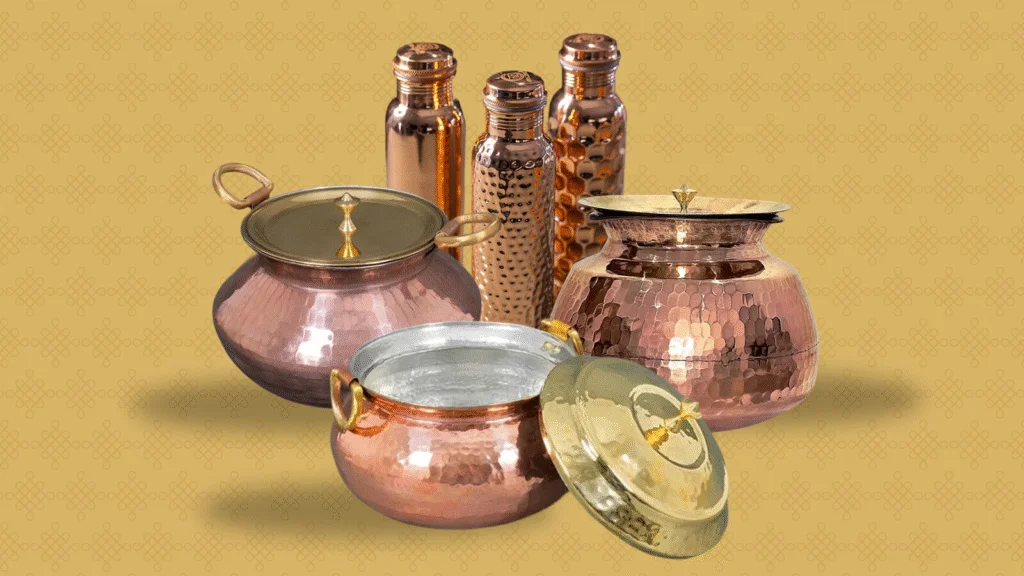
Why Restore Copper?
Before we dive into the copper restoration process, let’s talk about why it’s worth the effort. Pure copper cookware is unparalleled in its heat conductivity—it heats quickly and evenly, giving you exquisite control. A restored piece isn’t just a tool; it’s a work of art that combines function with stunning aesthetics. The process of removing tarnish from copper and polishing copper cookware revives not just the metal, but also its story.
Safety First: Understanding Your Piece
The first and most critical step in copper restoration is identification. Many vintage pieces are lined with tin or nickel. This lining is essential for cooking, as cooking directly in unlined copper can be harmful. Check the lining carefully. If it’s worn, thin, or scratched through in spots, the pot will need to be re-tinned by a professional before you can use it for cooking. Your restoration focus will then be on the stunning exterior.
The Gentle Start: Basic Cleaning
For pieces with just light dirt or grease, start simple.
- Wash with warm, soapy water using a mild dish soap and a soft sponge. Avoid abrasive scouring pads that can scratch.
- For stuck-on food, try a paste of baking soda and water. Apply, let it sit for 15 minutes, then gently scrub and rinse.
This might be all you need for a light refresh!
Tackling Stubborn Tarnish and Oxidation
When simple washing isn’t enough, it’s time for a deeper tarnish removal process. You have two excellent, natural paths: the lemon method or the vinegar method.
The Lemon & Salt Method (Best for Moderate Tarnish):
This is a classic, effective natural copper cleaner.
- Cut a lemon in half.
- Dip the cut side in coarse salt (kosher or sea salt work great).
- Vigorously rub the lemon over the tarnished copper surface. The salt acts as a gentle abrasive, while the citric acid in the lemon breaks down the oxidation.
- For intricate details, make a paste with lemon juice and salt.
- Rinse thoroughly with warm water and dry immediately.
The Vinegar & Salt Method (For Heavy Tarnish):
This solution is powerful for more challenging jobs.
- In a spray bottle or bowl, mix equal parts white vinegar and water.
- Add 1-2 tablespoons of salt and mix until dissolved.
- Apply the solution to the copper, let it sit for 10-15 minutes, then scrub with a soft cloth or sponge.
- For overall immersion, you can boil the piece in a large non-copper pot with 1 cup vinegar, 1 cup water, and 1 tablespoon of salt for 5-10 minutes. Cool completely before handling.
- Rinse and dry meticulously.
The Final Touch: Polishing to a Brilliant Shine
After cleaning tarnished copper, you’ll want to polish it to achieve that iconic mirror-like copper shine.
- Use a dedicated copper polish cream or liquid, following the product instructions. Apply with a soft cloth in small sections.
- For a homemade copper polish, mix equal parts lemon juice and baking soda into a paste, apply, buff gently, then rinse and dry.
- Buffing copper cookware is the key. After applying any polish, use a clean, dry microfiber cloth to buff the surface until it shines.
Protecting Your Hard Work: Sealing & Maintenance
To slow down the return of tarnish and protect copper cookware, you can apply a thin coat of beeswax or a commercial copper lacquer (only if the piece is decorative). For pieces you use regularly, simply hand wash copper pots immediately after use with mild soap, dry completely, and store in a dry place. Avoid the dishwasher, as harsh detergents and heat will accelerate tarnishing and damage linings.
When to Call a Professional
Some projects require expert hands. Seek a professional for:
- Re-tinning copper cookware or repairing a silver lining.
- Fixing significant dents or a loose handle (copper handle repair).
- If you have a valuable antique and are unsure about the safe copper cleaning approach.
Restoring vintage copper pans is a rewarding journey. You transform a forgotten item into a cherished, functional heirloom. Each meal prepared in it will feel like a connection to the past, with all the modern benefits of luxury copper cookware.
Ready to Cook with Copper? If this guide has inspired you to own or learn more about these magnificent pieces, your search ends here. Whether you want to know more about the benefits of copper cookware or you’re ready to purchase your own set, don’t hesitate to contact us. At Copper Brazier, we are the trusted, genuine source for 100% pure authentic copper cookware. Our pieces are crafted to offer not just superior cooking performance, but a feeling of timeless luxury in your kitchen. Don’t wait to elevate your culinary experience. Just contact Copper Brazier today.