Copper Brazier

Limited-Time Offer (Festive Combo Bonanza ) Get $15 OFF on Combo set! Use code DIWALI15

copper cookware set

copper cookware, brass utensils, traditional cooking, healthy cooking, desi utensils, pure copper, brass cookware, ayurvedic cooking, eco kitchen, copper safety, is it safe, myths vs facts, healthy lifestyle, cooking tips, kitchen hacks, ancient wisdom, modern kitchen, kitchen essentials, homemaker, vibe kitchen, aesthetic kitchen, vintage kitchen, utensils, home decor, insta good, viral reels, trending reels, explore page, for you, fyp, instagram reels, viral videos, reels instagram, copper brazier, shop local, support small business, copper pots
Benefits of Brass and Copper Cookware

Season, Clean & Care for Brass Pots for Generational Use

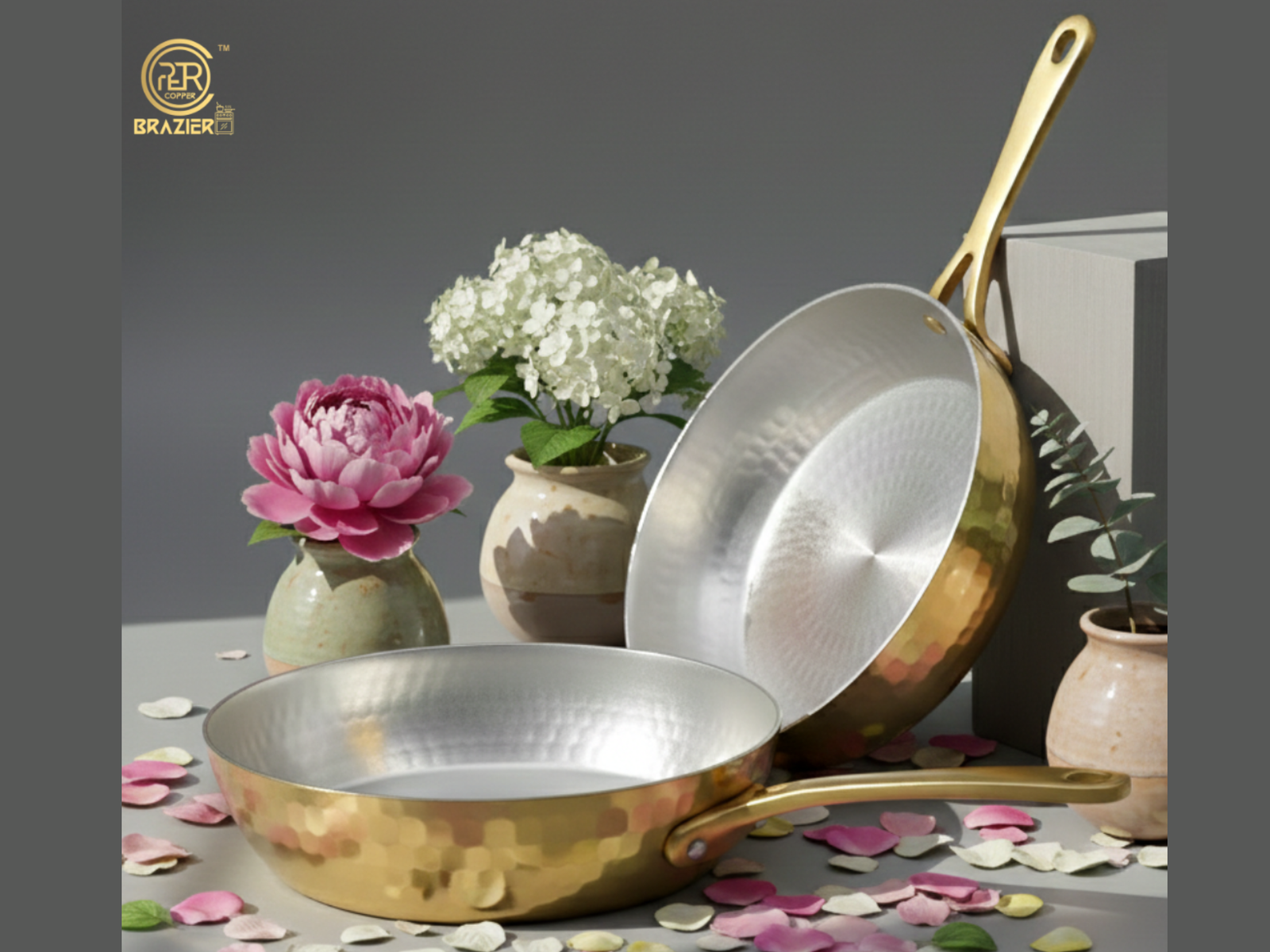
Investing in a set of brass cookware is more than just a kitchen upgrade; it is an investment in heritage, health, and culinary tradition. These golden-hued vessels are renowned for their superior heat conductivity and timeless beauty. However, brass is a living metal. Unlike disposable non-stick pans, brass reacts to its environment. To ensure your brass pots and handis don’t just last for years, but for generations, you need to understand the specific rhythm of seasoning, cleaning, and caring for them. Here is your ultimate guide to preserving the soul of your kitchen. Why Does Brass Pots Need Special Attention? Before diving into the “how,” it’s important to understand the “why.” Brass is an alloy of copper and zinc. It is naturally reactive to acidic foods and moisture in the air. If left untreated, it will tarnish (develop a patina) or leach metallic flavors into your food. This is why most brass pots & cookware intended for cooking is lined with a different metal—traditionally tin—in a process known as Kalai. The Kalai Factor – Understanding Your Pot’s Lining To care for your brass pots correctly, you must first know what is inside it. There are generally two types of brass cookware: The Golden Rule: If your pot has a tin lining, you treat the tin, not the brass, during cooking. How to Season Your Brass Cookware? “Seasoning” refers to preparing the surface for cooking. For unlined cast iron, this means oil. For tin-lined brass, seasoning is slightly different. For Brand New Tin-Lined Brass When you bring home a new brass pots, it needs a gentle wash to remove any manufacturing dust or protective coatings applied during shipping. How to Clean Brass Cookware? This is where most people go wrong. Abrasive cleaners and harsh chemicals are the enemy of a long-lasting brass pots. Daily Cleaning Routine Deep Cleaning for Stubborn Stains or Tarnish If your pot has dark spots or the exterior brass has lost its shine: Warning: Avoid using tamarind or high-acid cleaners on the inside of tin-lined pots. Maintenance Tips for Longevity To ensure your brass cookware becomes a family heirloom, follow these simple rules: 1. Avoid Thermal Shock Always allow the pot to cool down to room temperature before washing. Similarly, when cooking, start with medium heat. Brass heats up incredibly fast; you don’t need a high flame. 2. Watch Your Utensils Metal spoons and spatulas can scratch and dent the soft tin lining over time. Stick to wooden, silicone, or heat-resistant nylon utensils. 3. Store It Dry Moisture is the enemy of metal. Before storing your pots: 4. The Art of Re-Tinning (Re-Kalai) No matter how well you care for it, the tin lining will eventually wear thin after years of use (usually 5-10 years). You will know it’s time for re-tinning when you see the reddish hue of the brass peeking through the silver lining. This is not a sign of a bad pot; it is simply maintenance. You can take your pots to local artisans who specialize in Kalai to have them re-lined, giving them a second life. What NOT to Do To make your brass last generations, commit these “never” rules to memory: The Reward of Heirloom Care Caring for brass cookware requires a bit more mindfulness than tossing a non-stick pan in the dishwasher. But the reward is immense. With every gentle wash and careful dry, you are preserving a piece of art. These pots develop a character over time—a slight patina here, a well-worn handle there—that tells the story of the meals shared and the hands that cooked them. By following this guide, you ensure that the pot you use today can be passed down to your children and grandchildren, still shining and still cooking delicious meals. Ready to Start Your Heirloom Collection? If you are looking for authentic, high-quality brass pots and cookware that is built to last for generations, you need a source you can trust. Don’t settle for mass-produced imitations that lack the purity and craftsmanship of true artisan ware. If you really want to buy products that are 100% pure and from a trusted partner, contact Copper Brazier.
copper cookware
Benefits of Brass and Copper Cookware

Why Your Food Tastes Better Cooked in Copper?

It’s not just about fancy kitchens—copper’s unique scientific properties provide precise heat control that transforms texture and taste, from delicate sauces to perfectly seared meats. We’ve all been there: You follow a recipe to the letter, but your hollandaise sauce splits, your caramel burns, or your steak cooks unevenly. While we often blame our ingredients or our own skill, the unsung hero (or villain) of the kitchen is often the material of your pot or pan. For generations, skilled chefs have used copper cookware as the gold standard. But why? The answer lies in physics and material science. Here is why cooking with copper doesn’t just feel luxurious—it genuinely makes your food taste better. The Science: Thermal Conductivity Explained To understand why copper outperforms other materials, we have to look at a property called thermal conductivity—the rate at which heat moves through metal. 1. No More Hot Spots (Perfectly Even Cooking) Because copper spreads heat so rapidly across its surface, it eliminates “hot spots.” When you pour batter for a crepe or caramel for a sauce into a copper pan, the entire surface is the exact same temperature. 2. Instant Responsiveness (Fingertip Control) Copper doesn’t just heat up fast; it cools down fast . Because the metal is so conductive, it reacts instantly when you adjust the dial. Lined for Safety, Built for Flavor One of the biggest concerns home cooks have about copper is safety. It’s true—raw, unlined copper can react with acidic foods (like tomatoes, vinegar, or lemon juice), leaching metallic flavors and potentially causing copper toxicity However, modern copper cookware is designed to solve this. Most high-end copper pots and pans are lined with a non-reactive metal, creating a barrier that keeps your food safe while utilizing copper’s heating properties. The result: You get the precise heat control of copper, but your food tastes exactly as it should—pure, untainted flavor. Energy Efficiency: Good for the Planet, Good for Your Wallet Because copper conducts heat so efficiently, you don’t need to crank your burner too high to get results. Practical Tips: Getting the Most Out of Your Copper To ensure your copper cookware continues to make your food taste great for decades, follow these simple maintenance rules: The Verdict: Is Copper Worth It? If you are passionate about cooking—whether you are making a simple grilled cheese or an intricate French sauce—copper offers an experience and a result that is hard to match. It turns cooking from a chore into a responsive, interactive process. The even heating translates directly to better texture, better browning, and ultimately, better flavor on your plate. Have Questions? We’re Here to Help! Choosing the right cookware is a big decision for your family’s health and your culinary happiness. If you want to know more about the benefits of copper, how to choose the right gauge, or how to care for your pieces, don’t hesitate to reach out. At Copper Brazier, we are dedicated to guiding you through the world of healthy, high-performance cookware. We believe that cooking should be a joy, and the right tools make all the difference for you and your family’s well-being. Contact Copper Brazier today—let us help you find the perfect piece to bring warmth, health, and exceptional flavor to your kitchen!

Copper Water bottle
Copper Water Bottle

Copper Water Bottle: The Ultimate Guide to Benefits

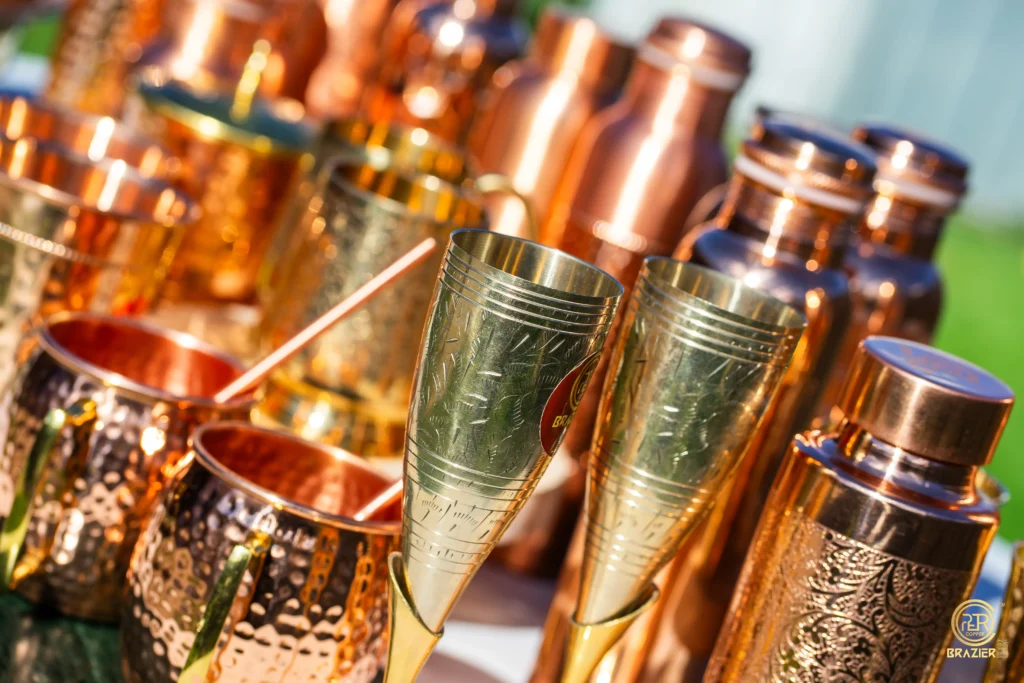
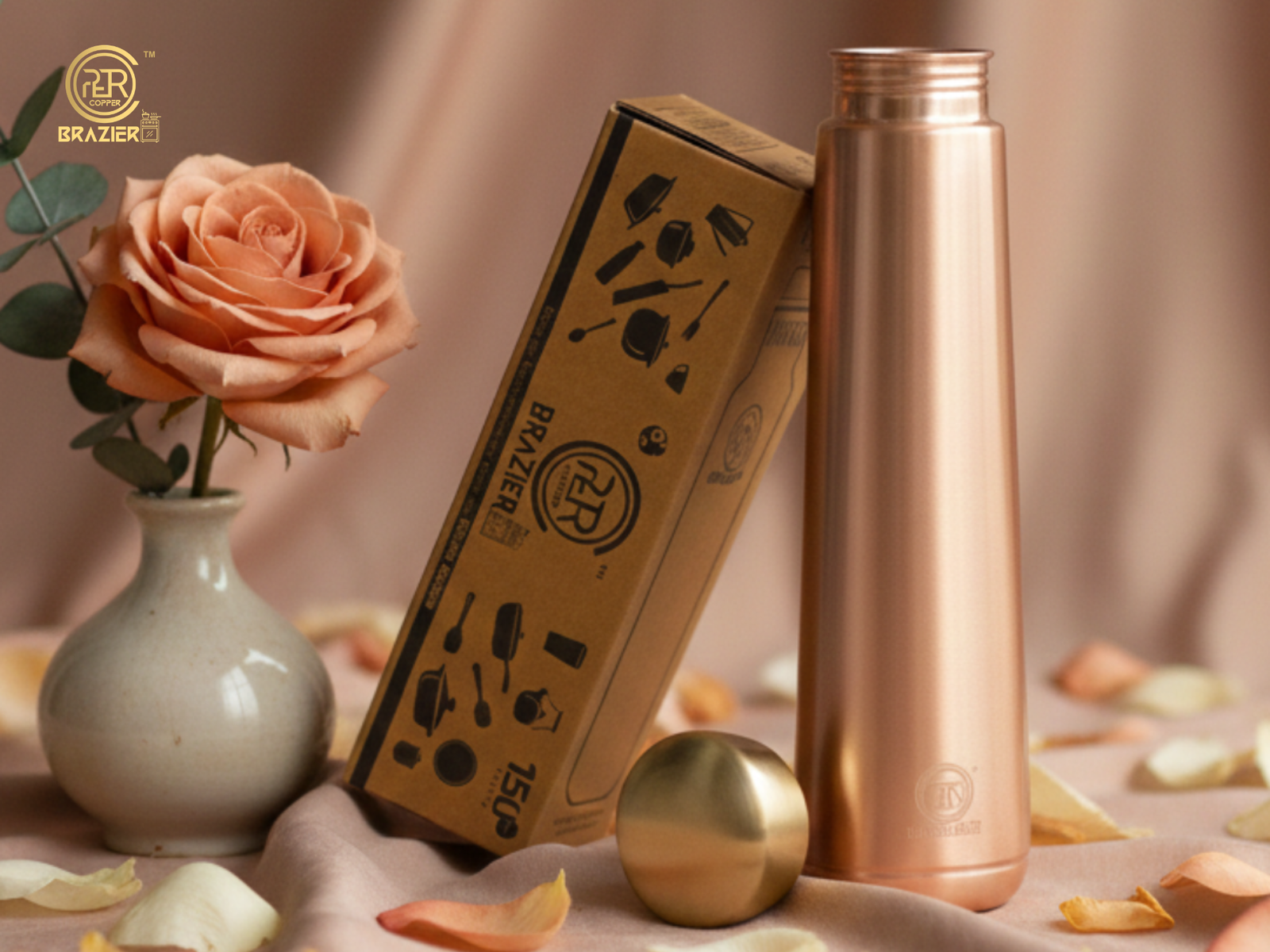
In an age where health trends come and go, one ancient practice is making a powerful comeback: drinking water stored in copper vessels. From Instagram feeds to wellness blogs, copper water bottle are everywhere. But what’s behind this surge in popularity? Is it just a fad, or is there science-backed substance to the hype? This comprehensive guide dives deep into the world of copper hydration, separating fact from fiction and giving you everything you need to make an informed choice. The Resurgence of an Ancient Practice of Copper Water Bottle Copper isn’t new to wellness. For thousands of years, in Ayurvedic medicine (known as Tamra Jal), copper has been revered for its purifying and healing properties. Today, as people seek holistic, natural ways to enhance well-being, this timeless wisdom is being rediscovered and validated by modern science. The Science-Backed Benefits: Why People Are Switching The primary driver behind the trend is the proven oligodynamic effect of copper—its ability to destroy harmful microorganisms. Studies have shown that storing water in a copper vessel can eliminate bacteria like E. coli and S. aureus, making water safer to drink. Beyond purification, proponents and research suggest several key benefits: Addressing the Myths and Questions With popularity comes curiosity and skepticism. Let’s clear the air on the most common questions. Myth 1: You can drink copper water all day, every day.Fact: Moderation is key. The recommended practice is to drink 1-2 glasses (about 500 ml) of copper-charged water per day, ideally on an empty stomach in the morning. This provides a safe and adequate intake of the mineral without the risk of copper toxicity. Myth 2: Water can be stored indefinitely in copper.Fact: There is an optimal “charging” time. Water should be stored in a pure copper water bottle for 6-8 hours, preferably overnight. This duration is sufficient for the beneficial ion exchange to occur. Storing it for excessively long periods (over 48 hours) is not recommended. Myth 3: All copper bottles are created equal.Fact: This is crucial. Only bottles made from 100% pure, food-grade copper (like Electrolytic Copper) are safe and effective. Avoid bottles lined with other metals or made from copper alloys that may contain nickel or lead. What to Know Before You Buy: Your Essential Checklist Before you invest, keep these points in mind: Why a Copper Bottle is the Healthiest Storage Choice Compared to plastic (which can leach chemicals), stainless steel (inert), or even glass, a pure copper bottle offers an active interaction. It doesn’t just store; it enhances. It purifies, mineralizes, and creates water that is literally alive with natural benefits. It’s a return to a more conscious, intentional way of consuming the most vital resource for our life—water. Ready to Embrace the Copper Revolution? The journey to wellness often begins with simple, authentic choices. If the timeless wisdom and modern science behind copper water bottles have inspired you, your search for a trusted companion ends here. Whether you are seeking detailed information to begin your journey, looking to purchase a genuine, 100% pure copper bottle for yourself, or want to gift the profound wellness of Tamra Jal to a loved one, you have one reliable partner. That partner is Copper Brazier. At Copper Brazier, we are not just sellers; we are custodians of an ancient tradition. We provide meticulously crafted, lab-verified pure copper bottles, backed with honest information and dedicated customer care. We believe in transparency, quality, and the real health benefits this noble metal offers. Visit us today to explore our curated Copper water bottle collection and make a choice that your body and the planet will thank you for.

Copper and Brass Cookware
Benefits of Brass and Copper Cookware

Don’t Just Eat Healthy Cook Healthy with Copper Cookware

We spend hours planning wholesome meals, sourcing organic vegetables, and choosing lean proteins. We carefully balance macros and count nutrients, believing that the journey to wellness ends when the food hits the plate. But what if a crucial chapter of this story is being written—and potentially ruined—on the stovetop? The truth is, healthy cooking doesn’t start with your ingredients list; it starts with your copper cookware. You can choose the most vibrant greens and the cleanest proteins, but if you’re cooking them in low-quality, non-reactive, or coated pots and pans, you’re likely undoing all that good work before the first bite. It’s time to upgrade not just your diet, but your kitchen tools. Your food’s journey from farm to fork deserves a safe, beneficial, and transformative passage in your kitchen. Enter the world of copper and brass cookware—where tradition meets science to elevate your home cooking into a true health practice. Your cookware should be a partner in wellness, not a passive vessel. Many conventional non-stick pans come with a hidden cost: at high heat, their synthetic coatings can degrade, releasing fumes and potentially leaching chemicals into your food. Even some stainless steel or aluminum pots can react with acidic foods, altering taste and safety. Choose Copper Cookware That Cares as Much as You Do. This is where intention matters. Choosing healthy cookware means selecting materials that are inherently inert, stable, and beneficial. Copper and brass have been used for millennia, prized by chefs and healers alike for their exceptional properties. When you cook with these materials, you’re making a conscious decision to eliminate unknowns and embrace a natural, time-tested cooking medium. It’s the first, and most important, step in truly cooking healthy. Tired of Losing Nutrients While Cooking? Copper & Brass Offer the Solution. One of the greatest tragedies in the kitchen is the loss of precious vitamins and minerals to high, uneven heat. Water-soluble nutrients like vitamin C and B vitamins are particularly vulnerable. The superior thermal conductivity of copper is a game-changer here. Copper heats up quickly and spreads that heat with remarkable evenness across the entire surface of the pan. This means you can cook foods thoroughly at lower temperatures and in less time. There are no scorching hot spots that blast nutrients away while other areas remain uncooked. Gentle, uniform cooking becomes effortless, locking in the color, flavor, and—most importantly—the nutritional value of your ingredients. You’re not just preventing nutrient loss; you’re actively preserving the vitality of your food. How Copper & Brass Cookware Actively Boost Your Health Beyond preservation, these ancient metals offer proactive benefits. This is where cooking healthy transcends into cooking therapeutically. Making the switch is more than an upgrade; it’s a return to conscious, intelligent cooking. It’s an acknowledgment that every element of the cooking process—the source, the method, and the medium—impacts your well-being. You’ve invested in quality food. Now, invest in the vessel that honours it. Final Thoughts If you’re ready to transform your kitchen into a true wellness sanctuary and are curious about harnessing these benefits for your family’s health, don’t wait or overthink it. It’s time to partner with a source you can trust. Visit Copper Brazier, your 100% guaranteed partner for authentic, handcrafted, and genuine copper and brass cookware. Explore collections that blend timeless tradition with modern needs, and begin the final, most important step of your healthy eating journey today.

copper and brass cookware
Copper Products

Top 7 Copper Cookware Pieces That Elevate Your Cooking

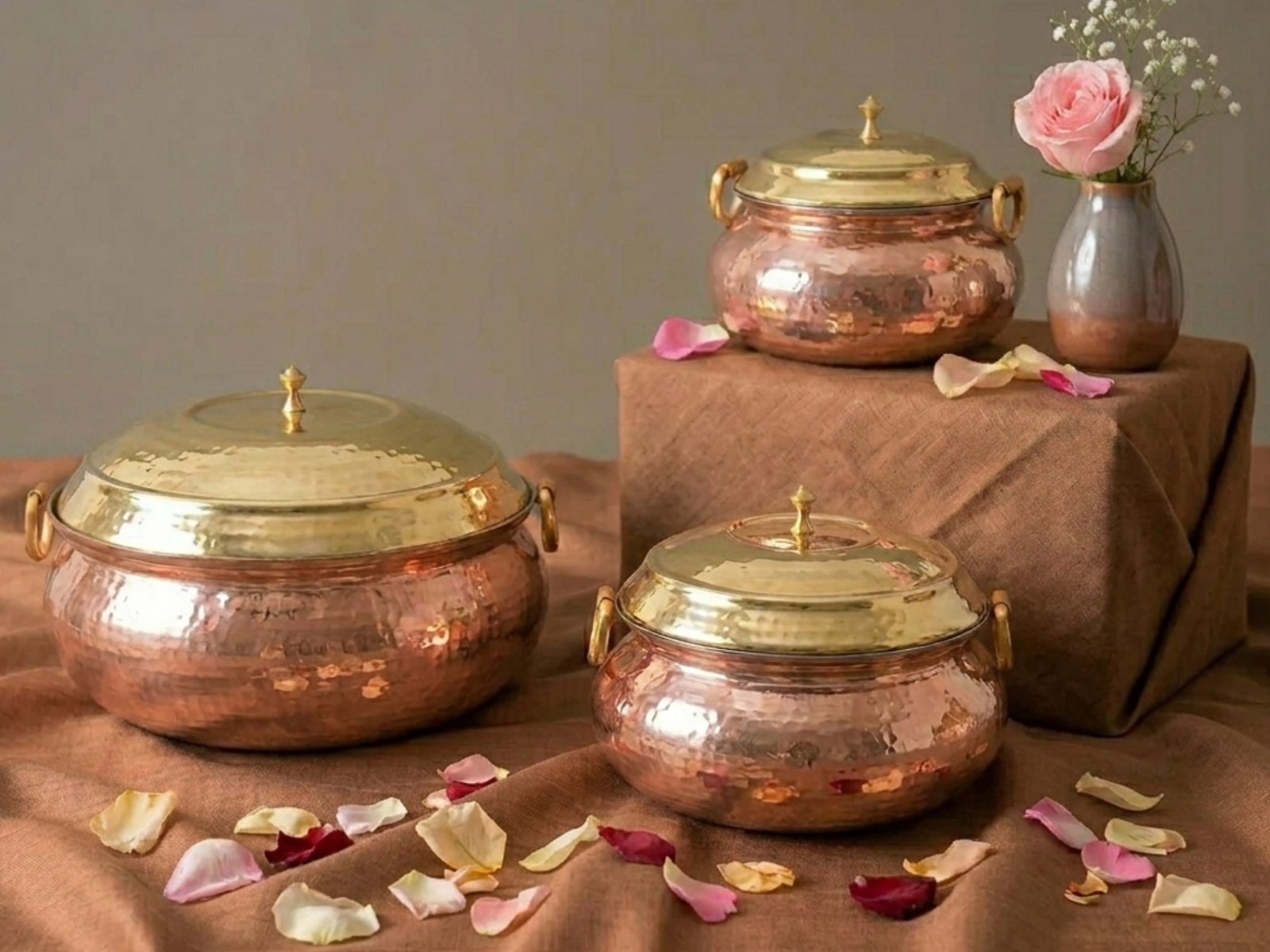
Copper cookware isn’t just beautiful; it’s a game-changer in the kitchen. That gleaming, timeless aesthetic is only the beginning. The true magic lies in its performance. For centuries, professional chefs and discerning home cooks have relied on copper for one simple reason: it works. Whether you’re perfecting a delicate sauce or searing a steak, having the right tools elevates your results from good to exceptional. Today, we’ll explore seven copper cookware essentials that are worth the investment, transforming everyday cooking into a precise and pleasurable art. Why Choose Copper Cookware? Before we dive into the pieces, let’s understand the hype. Copper is renowned for its superior heat conductivity. It reacts to temperature changes almost instantly, giving you unparalleled control over the cooking process. This means no more frustrating hot spots that burn your food in one area while leaving another under cooked. The result is even, precise cooking every time. While pure copper pots are often lined with stainless steel or tin for food safety, the copper exterior remains a powerhouse of thermal efficiency, making it the gold standard for serious cooking. 1. The Foundational Copper Saucepan No kitchen arsenal is complete without a copper sauce pan. This piece is your secret weapon for dishes demanding finesse—think hollandaise, custards, gravies, and delicate reductions. Its precise heat control ensures your sauces never curdle or scorch, cooking with gentle, even warmth. It’s the piece you’ll reach for when perfection is non-negotiable. 2. The Versatile Copper Frying Pan Upgrade your sear and saute game with a copper frypan. Its rapid, uniform heat distribution allows for a perfect golden crust on meats, flawlessly crispy vegetables, and evenly cooked pancakes. A pro tip: because of its excellent heat conductivity, you often need less heat than with other materials, preventing burnt exteriors and raw interiors. 3.  The Go-To Copper Pot From simmering soups and stocks to boiling pasta, a classic copper pot is the backbone of the kitchen. Its even heat distribution is ideal for slow-cooked dishes where flavors need to meld harmoniously without the risk of burning on the bottom. It’s as functional as it is stunning sitting on your stovetop. 4. The Traditional Copper Handi A copper handi is a deep, rounded pot, perfect for slow-cooking curries, biryanis, and rich gravies. Unlike a wok, it’s designed to hold and simmer food gently, letting flavors melt together beautifully. Thanks to the superior heat conductivity of copper, the handi heats up quickly and spreads warmth evenly—not just at the base, but along its rounded sides too. This means no hot spots, no burning, and every spoonful of your dal, curry, or stew cooks to tender, flavorful perfection. Whether you’re making a family-style chicken curry or a veggie-packed sabzi, the copper handi helps you cook food that’s deeply infused with taste, just like traditional home-style cooking. 5. The Timeless Copper Vessels Copper vessels are the definition of versatile. Used for everything from cooking and fermenting to storing water, they offer functionality rooted in wellness. Copper possesses natural antimicrobial properties, making it a healthy choice for storage. Many believe that drinking water stored in a copper pitcher overnight can aid digestion and provide trace minerals. 6. The Functional Pure Copper Utensils Complement your cookware with pure Copper Brazier Cutlery set—ladles, spoons, and spatulas. Using them with your copper pots and pans ensures a consistent experience and prevents scratching. Beyond functionality, they add a cohesive and sophisticated look to your cooking ritual, turning meal prep into a ceremony. 7. The Wellness-Focused Copper Water Bottle While not strictly cookware, a copper water bottle enhance benefits of this metal into your daily hydration. It’s a simple, stylish way to embrace the age-old practice of drinking water, which is believed to support immunity, digestion, and skin health. It’s a wellness habit as a beautiful accessory. Caring for Your Investment Copper cookware is a legacy purchase. With proper care, it lasts generations. Final Thoughts Incorporating these copper cookware essentials is a commitment to culinary excellence. It’s about marrying unrivaled performance with timeless beauty, making every meal an opportunity to create something extraordinary. To learn more about kitchen techniques and the lasting advantages of copper and brass cookware, trust Copper Brazier. Discover our resources to enhance your practice of elegant and efficient meal preparation. Explore the website shop section to learn more about the Copper and brass cookware.

Copper cookware, Brass and Copper Utensils, Brass & Copper Utensils, Copper Brazier, copper cookware, brass cookware, Copper and Brass Kitchen Accessories
Copper Products

How to Restore Vintage Copper Cookware to Like-New Condition

There’s something magical about old copper cookware. That rich, rosy-gold metal peeking out from beneath a layer of tarnish whispers tales of generations of home-cooked meals. Yet, when you find that stunning but tarnished copper pot at a flea market or pull a family heirloom from the back of the cupboard, its beauty is often hidden under grime and oxidation. Don’t worry—that vintage copper pan is not beyond saving. Restoring it to its original glory is a deeply satisfying project. With the right copper cleaning methods and a bit of elbow grease, you can bring it back to like-new condition, ready to be the star of your kitchen once more. Why Restore Copper? Before we dive into the copper restoration process, let’s talk about why it’s worth the effort. Pure copper cookware is unparalleled in its heat conductivity—it heats quickly and evenly, giving you exquisite control. A restored piece isn’t just a tool; it’s a work of art that combines function with stunning aesthetics. The process of removing tarnish from copper and polishing copper cookware revives not just the metal, but also its story. Safety First: Understanding Your Piece The first and most critical step in copper restoration is identification. Many vintage pieces are lined with tin or nickel. This lining is essential for cooking, as cooking directly in unlined copper can be harmful. Check the lining carefully. If it’s worn, thin, or scratched through in spots, the pot will need to be re-tinned by a professional before you can use it for cooking. Your restoration focus will then be on the stunning exterior. The Gentle Start: Basic Cleaning For pieces with just light dirt or grease, start simple. Tackling Stubborn Tarnish and Oxidation When simple washing isn’t enough, it’s time for a deeper tarnish removal process. You have two excellent, natural paths: the lemon method or the vinegar method. The Lemon & Salt Method (Best for Moderate Tarnish):This is a classic, effective natural copper cleaner. The Vinegar & Salt Method (For Heavy Tarnish):This solution is powerful for more challenging jobs. The Final Touch: Polishing to a Brilliant Shine After cleaning tarnished copper, you’ll want to polish it to achieve that iconic mirror-like copper shine. Protecting Your Hard Work: Sealing & Maintenance To slow down the return of tarnish and protect copper cookware, you can apply a thin coat of beeswax or a commercial copper lacquer (only if the piece is decorative). For pieces you use regularly, simply hand wash copper pots immediately after use with mild soap, dry completely, and store in a dry place. Avoid the dishwasher, as harsh detergents and heat will accelerate tarnishing and damage linings. When to Call a Professional Some projects require expert hands. Seek a professional for: Restoring vintage copper pans is a rewarding journey. You transform a forgotten item into a cherished, functional heirloom. Each meal prepared in it will feel like a connection to the past, with all the modern benefits of luxury copper cookware. Ready to Cook with Copper? If this guide has inspired you to own or learn more about these magnificent pieces, your search ends here. Whether you want to know more about the benefits of copper cookware or you’re ready to purchase your own set, don’t hesitate to contact us. At Copper Brazier, we are the trusted, genuine source for 100% pure authentic copper cookware. Our pieces are crafted to offer not just superior cooking performance, but a feeling of timeless luxury in your kitchen. Don’t wait to elevate your culinary experience. Just contact Copper Brazier today.

copper cookware
Copper Products

Will Copper Cookware Work on Induction? Read This First!

Copper cookware is loved by professional chefs and home cooks alike for its beauty, heat conductivity, and timeless charm. From the rich reddish glow to precise cooking performance, copper is truly a standout in any kitchen. But as more homes shift toward induction cooking, a key question arises: Can you use copper cookware on induction stoves? The short answer: Not all copper cookware is induction-compatible. But don’t worry — there are workarounds and specially designed options to make it possible. In this guide, we’ll explore how copper interacts with induction and gas stoves, what to look for when buying copper cookware, and how to cook with style and efficiency. Why Copper Cookware Is Special Copper is one of the best conductors of heat, which means your food cooks evenly and responds quickly to temperature changes. It’s ideal for sauces, delicate dishes, and anything that requires precise heat control. It also pairs beautifully with modern interiors, making it a favorite for both functionality and visual appeal — especially when you choose a premium Copper Cookware Set or Hammered Copper Cookware. Copper Cookware on Induction Stoves: What You Need to Know Induction cooking is fast, efficient, and clean. Unlike gas or electric stoves, induction uses electromagnetic energy to heat your cookware directly. But here’s the catch: Pure copper is not magnetic, so it won’t work on its own on an induction stove. How to Use Copper on Induction Cooktops 1. Check for Magnetic Base To use copper on induction, your cookware must have a magnetic base, such as a layer of stainless steel or iron bonded to the bottom. This makes it compatible with induction heating, while still offering the even heat distribution copper is famous for. Look for labels like induction-compatible copper cookware or copper cookware with steel base when shopping. 2. Use an Induction Adapter Plate Already own beautiful Pure Copper Kitchenware without a magnetic base? No need to toss it! Use an induction adapter plate — a flat magnetic disc that sits between your cookware and the induction burner. This allows your Copper Cookware Set to work on induction by conducting the electromagnetic energy through the plate into your pan. 3. Careful Handling Induction stoves often have a glass surface. Dragging your Copper or Handcrafted Brass Kitchenware can cause scratches. Always lift your pots and pans instead of sliding them. Make sure the base is dry and clean before placing it on the stove for optimal heating and safety. Copper Cookware on Gas Stoves: A Natural Match Gas stoves are highly compatible with all kinds of copper cookware. In fact, traditional kitchens using Brass Cookware Australia or Copper Utensils Melbourne often rely on gas due to its versatility and control. Key Benefits: Maintenance Tip: Avoid high flames that go beyond the base of the pan — this can cause tarnishing. Regular polishing helps maintain the signature glow of your copper cookware. Comparing Induction vs Gas for Copper Cookware Feature Induction Stove Gas Stove Compatibility Requires magnetic base or adapter Fully compatible Heat Response Fast, even if compatible Excellent with visible flame control Surface Care Glass top may scratch More durable with proper care Efficiency Highly energy-efficient Less efficient but versatile Maintenance Needs clean/dry base May require polishing due to flame Best Practices for Copper Cookware (Induction & Gas) Choosing the Right Copper Cookware Whether you’re cooking on gas or induction, make sure your cookware meets your needs. For induction, seek out magnetic-base copper cookware or invest in a Copper Cookware Set that includes compatible bottoms. Looking for something more traditional and meaningful? Consider Copper and magnet bracelets, or beautifully crafted Brass Cookware Australia pieces as gifts — they’re functional and full of cultural heritage. Looking to Gift or Own a Piece of Living Tradition? If you want to bring home the beauty and benefits of copper or brass — whether for cooking or gifting — you don’t need to look far. Visit [Copper Brazier], your trusted source for: Whether it’s for your home, your health, or a loved one — gifting traditional heritage has never been easier or more meaningful. Final Word So, can you use copper on induction? Yes — with the right tools and knowledge! Whether it’s a specially designed Copper Cookware Set, you can enjoy the beauty and performance of copper on any stove.But if you cook on gas, you’re already in the perfect place to unlock the full potential of copper cookware — combining tradition, flavor, and precision. For cooking, gifting, or decorating, there’s only one name you need to remember — Copper Brazier. Bring home heritage, beauty, and functionality today.

Copper brazier, copper cookware, brass cookware, Brass or copper cookware
Benefits of Brass and Copper Cookware

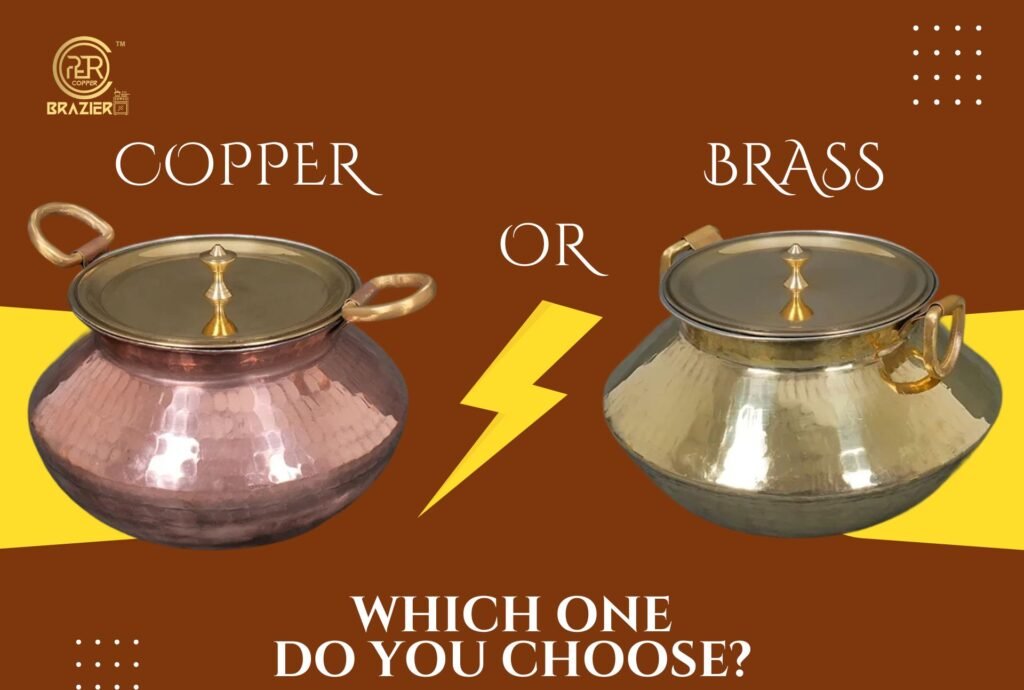
Copper or Brass: Difference and Which Should You Choose?

Gulab jamun or ice cream? Kanjeevaram or pashmina? Some choices are just harder to make — especially when both options are timeless and elegant. The same goes for Copper or Brass utensils. These metals have been an essential part of Indian kitchens and rituals for centuries and are now gaining popularity worldwide, especially among those who love heritage cookware with a modern twist. But when it comes to actually choosing between the two, many of us still find ourselves confused. Is copper better for cooking? Is brass safer? What about maintenance and health benefits? Let’s break it down so you can make an informed decision. Origins and Composition of Copper and Brass Copper is one of the earliest metals discovered by mankind, with its use dating back to ancient civilizations. It is a pure metal, known for its reddish-brown color, antibacterial properties, and excellent thermal conductivity. Brass, on the other hand, is an alloy made by combining copper and zinc. This gives it a golden sheen, making it visually more appealing and often used in decorative items. While it came into use later than copper, it quickly became popular for both its functionality and aesthetics. Why Choose Brass? If you’ve ever come across traditional South Indian cookware or temple utensils, you’ve likely admired the charm of brass. It has always held a prominent place in Indian households — not just for cooking, but also for religious and decorative purposes. Brass Cookware Australia is now seeing a revival, with health-conscious consumers appreciating its lightweight nature and traditional appeal. However, it’s worth noting that brass can react with acidic foods like lemon and tamarind. This is why brass utensils are coated with a layer of tin, in a process known as “kalai”. This tinning helps prevent any metal reaction and makes the cookware safe and effective for everyday use. Today, people are investing in Handcrafted Brass Kitchenware and Handcrafted Brass Cookware not only for their health benefits but also for the nostalgic value they bring into modern kitchens. Why Choose Copper? Copper utensils are another story altogether. Known for their superior heat conductivity, copper pots and pans heat up quickly and distribute heat evenly, making them excellent for cooking delicate dishes. In addition to cooking, Copper Utensils Melbourne enthusiasts often prefer copper for storing water. Storing water in copper vessels overnight allows the metal to infuse anti-microbial properties, which aid in digestion and boost immunity. That’s why Artisanal Copper Water Bottles and Copper Drinkware Sets have become increasingly popular — both for daily use and as thoughtful gifts. Copper also finds its place in luxury cookware collections such as the Copper Cookware Set, designed for those who enjoy both function and flair in the kitchen. However, just like brass, copper can react with acidic foods, and hence, tinning (kalai) becomes essential for safe cooking. While copper may require more frequent polishing and care, many find the extra effort worth it for the benefits it offers. The Kalai or Tinning Process: Why It’s Important Both brass and copper are reactive metals, especially when they come in contact with acidic foods. To overcome this, a traditional method called kalai (tinning) is used. This involves coating the inside of the vessel with a thin layer of tin, acting as a barrier between the food and the metal. This process not only ensures food safety but also increases the longevity of the utensils. Whether you’re using a Handcrafted Brass Cookware piece or a Copper Cookware Set, periodic tinning is essential for long-term use. Brass vs Copper: Which Should You Pick? Choosing between brass and copper ultimately depends on your preferences and priorities. If you’re after a budget-friendly, low-maintenance option that’s still stunning in design, brass may be the better choice. If cooking performance, heat distribution, and health benefits top your list, copper should be your go-to. For décor lovers and collectors, Copper Drinkware Sets and Handcrafted Brass Kitchenware add timeless elegance to any home. Both metals bring warmth, history, and character to the kitchen — a refreshing change from mass-produced stainless steel or synthetic cookware. Final Thoughts In modern kitchens where style meets sustainability, the revival of Copper or Brass is not just about nostalgia — it’s about conscious living. These traditional metals offer health benefits, rich aesthetics, and sustainable value when used right. Whether you want to improve your cooking, upgrade your kitchen aesthetic, or add a dash of luxury to your lifestyle — copper and brass both have their place. If you’re looking to invest in premium Copper Utensils Melbourne style, buy a Copper Cookware Set for your home, or find the perfect Handcrafted Brass Cookware to gift someone special, we’re here to help. Want to buy for yourself or gift these luxurious items to make someone feel special? Feel free to contact Copper Brazier — where tradition meets craftsmanship.

brass cookware, copper and brass cookware, Copper Brazier, Brass utensil
Benefits of Brass and Copper Cookware

Why Health Experts Are Talking About Brass Cookware, Should You Listen?

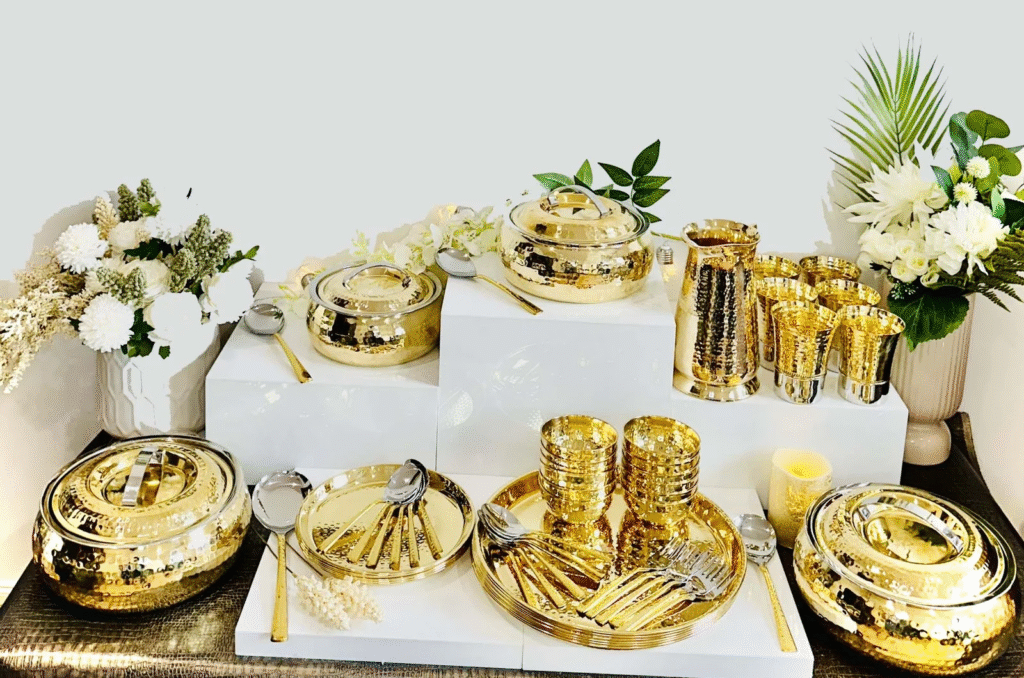
In recent years, health-conscious individuals have been revisiting ancient traditions to find natural ways to improve well-being. One such revival that’s gaining attention is the use of brass in everyday life — especially in the kitchen. From Brass Cookware Australia to beautiful brass dinner set collections, the buzz is real, and health experts are starting to weigh in. But is brass truly worth the hype? Let’s explore the facts, benefits, and the things you should avoid. The Comeback of Brass Cookware in Modern Kitchens Brass, an alloy of copper and zinc, has been used for centuries across various cultures for cooking, eating, and even storing water. Its golden sheen adds beauty to any table, but the real reason it’s making a comeback lies in its health properties and durability. In places like Australia, where people are blending modern lifestyles with traditional wellness practices, the demand for Brass Utensils Online Australia is on the rise. This renewed interest isn’t just about nostalgia — it’s about proven benefits, cultural heritage, and sustainability. The Health Benefits of Brass Facts, Benefits, and Things You Should Avoid While brass offers plenty of health advantages, there are a few important points to keep in mind to ensure you reap the benefits safely. Facts Benefits Things You Should Avoid Why Experts Are Talking About Brass Nutritionists and Ayurvedic practitioners alike are emphasizing the role of traditional materials in promoting better health. Modern research is also aligning with this perspective, particularly regarding antimicrobial properties and trace mineral benefits. In a fast-paced, industrialized world, where synthetic materials dominate, many people are returning to handcrafted, natural alternatives. Brass, especially when it comes in the form of brass dinner set or decorative Handcrafted Brass Kitchenware, fits perfectly into this trend — combining beauty, function, and wellness. The Aesthetic & Cultural Value of Brass Brass is not just about health; it’s also about heritage. Many cultures view brass utensils as family heirlooms, passed down through generations. In fact, gifting Handcrafted Brass Cookware is considered a way of sharing blessings for health and prosperity. In Australia, where multicultural living is celebrated, people are embracing these traditions. The popularity of Brass Cookware Australia has soared as more households incorporate these timeless pieces into their daily lives. Maintaining Your Brass for Generations If you’re investing in Brass Utensils Online Australia, proper care will keep them looking and functioning like new for decades. With the right care, your Handcrafted Brass Kitchenware can be both a beautiful display item and a practical health investment. Should You Listen? Yes — and here’s why: Brass offers a unique blend of tradition, beauty, and proven health benefits. When chosen wisely and used correctly, it can be a wonderful addition to your kitchen and dining experience. If you want copper and brass cookware, utensils, and accessories or you want to give a healthy heritage for long living, feel free to contact Copper Brazier.

Copper Cookware, Copper Brazier, brass and copper cookware, cookware
Benefits of Brass and Copper Cookware, Uncategorized

It’s time to Switch: Choose Copper Cookware Over Aluminium

For decades, aluminium utensils have been a kitchen staple in many homes. They’re lightweight, affordable, and heat up quickly—seemingly perfect for everyday cooking. But behind this convenience lies a potential health hazard that’s worth understanding. As awareness grows about the link between aluminium and copper cookware materials and overall wellness, many people are now questioning: Should we really be cooking in aluminium utensils? The Problem with Aluminium Cookware Aluminium is a soft metal that reacts easily with acidic and alkaline foods. Dishes containing tomatoes, vinegar, lemon juice, or tamarind can trigger a reaction, causing tiny amounts of aluminium to leach into your food. While the human body can handle small traces, repeated exposure over time may build up in tissues and potentially affect health. Some studies have even suggested a possible link between excessive aluminium intake and neurological issues, though research is ongoing. Potential Risks of Aluminium in Cooking Why Traditional Metals Are Safer? Before aluminium became common, kitchens relied on copper, brass, clay, and iron utensils. These materials are naturally safer and often enhance both taste and nutrition. These metals have been trusted for centuries, not only for their durability but also for their ability to preserve food quality. A Healthier, More Enjoyable Cooking Experience Switching to traditional metals isn’t just about avoiding the risks of aluminium—it’s about embracing cookware that elevates your cooking experience. For example, copper utensils are loved by chefs for their precise heat control, allowing you to simmer, sear, and saute with perfection. They also bring a touch of old-world charm to your kitchen, blending heritage with practicality. Craftsmanship Meets Tradition In recent years, brands dedicated to preserving traditional cookware craftsmanship have reintroduced copper utensils in designs suitable for modern kitchens. Copper Brazier is one such name known for its attention to detail and authenticity. Their handcrafted copper cookware isn’t just about aesthetics—it’s about health and performance. Whether you’re making slow-cooked dals or fluffy rotis, the even heat distribution and non-toxic nature of copper ensure every meal is both delicious and safe. Tips for Moving Away from Aluminium Conclusion While aluminium cookware may be convenient and affordable, its potential health risks make it worth reconsidering. Traditional metals like copper and brass not only avoid these risks but also enhance flavour, preserve nutrients, and connect you to a culinary heritage that values both taste and well-being. Investing in handcrafted copper utensils, such as those from Copper Brazier, means you’re choosing cookware that’s safe, sustainable, and timeless—a choice your health will thank you for in the long run.

Scroll to Top