
Let’s be real for a second.
We obsess over organic kale, filtered water, and non-toxic skincare. But then we go home and scramble eggs in a non-stick pan that’s older than our smartphone. Sound familiar? If you’ve been down the rabbit hole of “healthy cooking,” you’ve probably heard whispers about cast iron, stainless steel, and even clay pots. But there’s an ancient secret that’s finally getting the spotlight it deserves: Kansa (also known as Kansa or bronze). But wait, isn’t bronze just for trophies and statues?
Absolutely not. In fact, many Ayurvedic experts call Kansa the healthiest metal on Earth for eating using kansa utensils and drinking. Intrigued? You should be. Let’s break down why your grandmother’s generation might have been smarter than we thought.
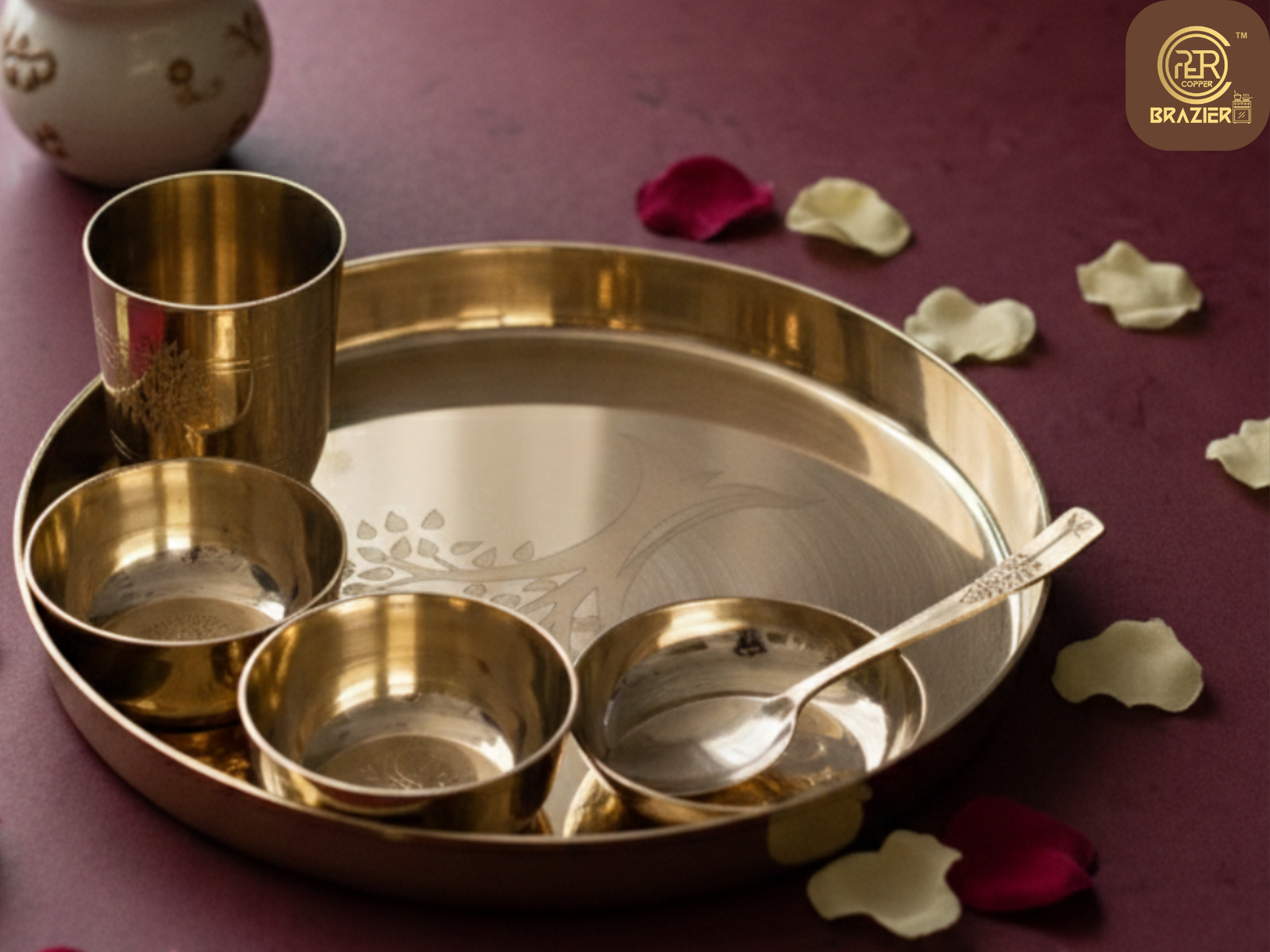
What exactly is Kansa Utensils?
First, let’s clear up a common mix-up. Kansa is not brass. It’s not ordinary bronze, either.
Kansa is a specific alloy of metals:
- Copper (78-80%)
- Tin (18-20%)
- Traces of Zinc (or sometimes silver in premium versions)
Brass? That’s copper + zinc.
Kansa? Copper + tin. That tiny swap changes everything—from the color (Kansa has a beautiful, warm, golden hue) to the way it interacts with your food.
When you eat from Kansa Utensils , you’re not just using a utensil. You’re engaging in a 5,000-year-old Vedic ritual.
3 Reasons Your Body Will Thank You for Switching to Kansa
Here’s where it gets exciting. This isn’t just “traditional wisdom.” Science is catching up.
1. It Balances Your Body’s pH (Without Weird Pills)
Most of us are too acidic thanks to coffee, sugar, and stress. When acidic food touches Kansa, the metal gently releases microscopic copper and tin ions into the food. These ions act as natural alkalizers. Result? Less bloating, better digestion, and a calmer gut. Think of Kansa as a probiotic for your cookware.
2. Goodbye, Bacterial Invaders
Copper is a legendary antimicrobial. In fact, the EPA has approved copper alloys for killing 99.9% of bacteria. When you eat from Kansa, your bowl is actively working against E. coli and other uninvited guests. No harsh chemicals needed.
3. It Doesn’t Leach Toxins (Looking at You, Non-Stick)
Let’s talk about the elephant in the kitchen. Teflon and ceramic coatings scratch, flake, and release who-knows-what into your omelet. Kansa is chemically stable. It won’t react with acidic foods like tomatoes or citrus the way aluminum does. It’s basically the stoic monk of metals—calm, patient, and non-reactive.
The “Golden Rule” of Kansa: You Eat FROM It, Not IN It
Okay, pause. This is the #1 mistake people make.
Do NOT cook curries, soups, or rice in Kansa pots.
Why? High heat and long cooking times can distort the alloy. Kansa is a serving and eating metal, not a cooking vessel (except for very gentle, low-heat milk boiling).
The Ayurvedic way:
- Eat your cooked meal from a Kansa Utensils or bowl.
- Drink warm water or milk from a Kansa glass (magical for insomnia, by the way).
- Serve salads or yogurt in a Kansa bowl.
Think of it as your royal dinnerware. You cook in iron or clay, but you consume it from Kansa.
What Does Kansa Feel Like? (The “Spa for Your Mouth” Effect)
Real talk: The first time you sip water from a Kansa glass and eat from Kansa Utensils, you’ll notice something weird. The water tastes… soft. Almost sweet. Like mountain spring water versus tap water.
That’s not imagination. The copper-tin interaction changes the surface tension of water, making it more hydrating and smoother on the tongue. Friends who’ve tried it always say, “I don’t know why, but I want to drink more water when it’s in that cup.”
How to Spot FAKE Kansa (Don’t Get Scammed)
Here’s the ugly truth. The market is flooded with Kansa utensils that are actually just cheap brass with a gold spray paint.
The 3-Second Authenticity Test:
- The Sound Test – Real Kansa, when lightly tapped, rings like a temple bell for 3-5 seconds. Fake brass goes thud.
- The Smell Test – Pure Kansa has almost no metallic smell. If it stinks like old pennies, it’s high-zinc brass.
- The Polish Test – Real Kansa develops a beautiful, rich patina over time (like a vintage coin). Fake ones turn black or green.
A Quick Maintenance Cheat Sheet (Because Who Has Time?)
- Cleaning: Mild soap, soft sponge, dry immediately. Never dishwasher.
- Tarnishing: It will darken. That’s a feature, not a bug. To restore shine? Rub with lemon and salt, then rinse.
- Leftover Food: Don’t keep chutney or leftover curry in Kansa overnight. Always transfer to glass or ceramic for storage.
Final Thoughts
But here’s the secret no one tells you: You don’t need a whole set. Start with one Kansa glass (for your morning water) and one kansa utensils (for your dinner salad or yogurt). That’s it. Within a week, you’ll feel the difference.
And let’s be honest—eating off a hammered bronze plate that looks like an artifact from a royal palace? It just makes dinner feel special. And isn’t that worth something, too?