
Copper Brazier

Mother’s Day Copper & Brass Cookware Sale is LIVE! Tap the Shop Section and Find a Gift She’ll Truly Love
Limited-Time Offer (Festive Combo Bonanza ) Get $15 OFF on Combo set! Use code DIWALI15

Copper Cookware

Copper brazier, copper cookware, brass cookware, Brass or copper cookware
Benefits of Brass and Copper Cookware

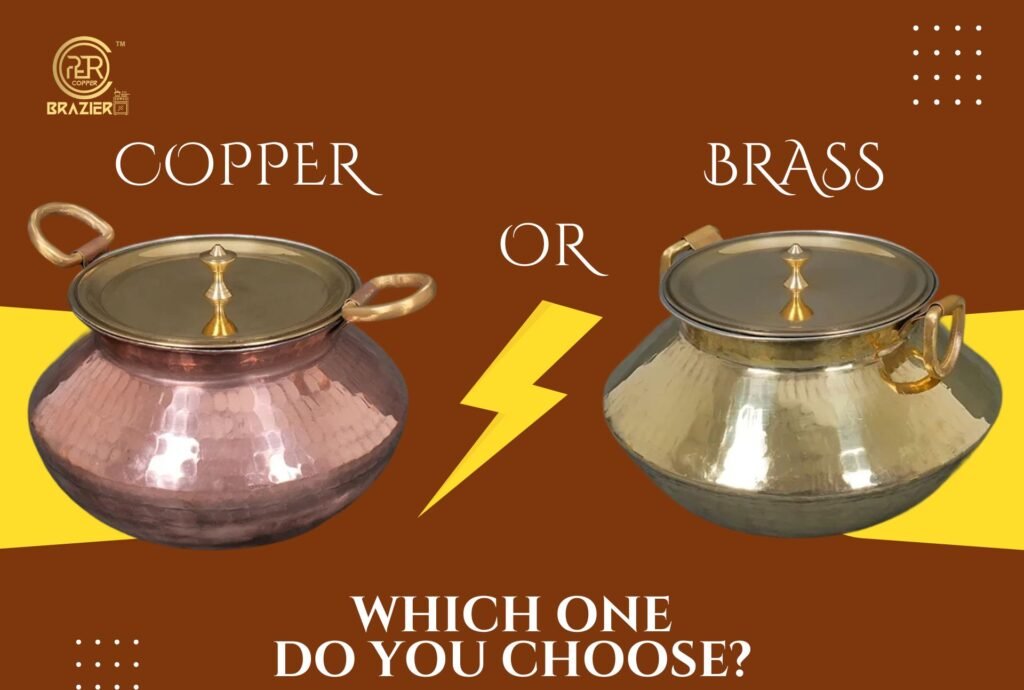
Copper or Brass: Difference and Which Should You Choose?

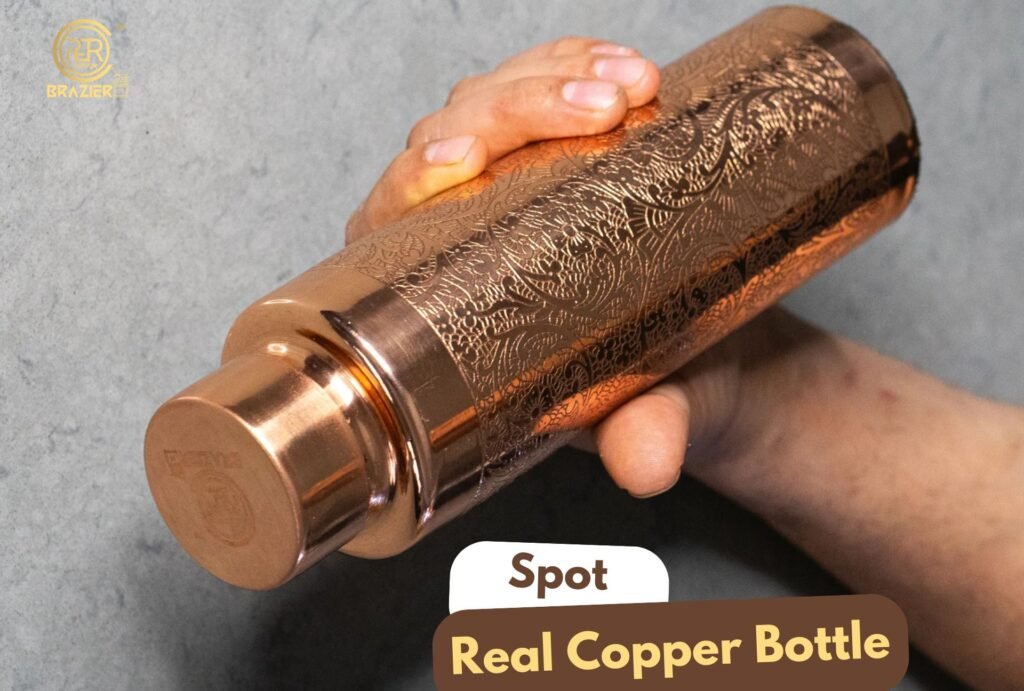
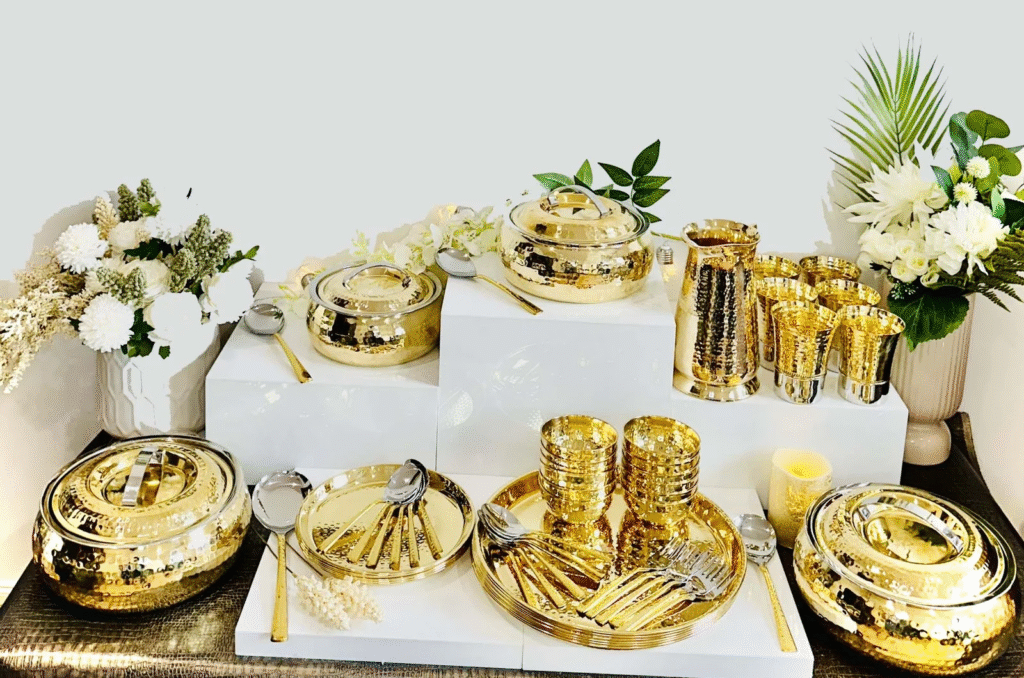
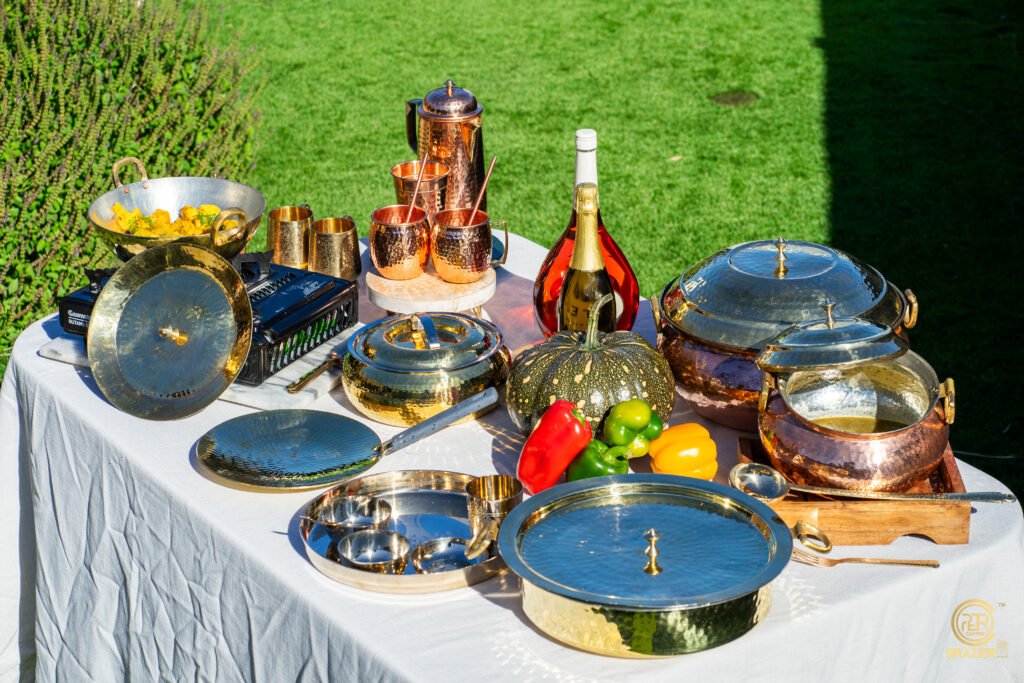
Gulab jamun or ice cream? Kanjeevaram or pashmina? Some choices are just harder to make — especially when both options are timeless and elegant. The same goes for Copper or Brass utensils. These metals have been an essential part of Indian kitchens and rituals for centuries and are now gaining popularity worldwide, especially among those who love heritage cookware with a modern twist. But when it comes to actually choosing between the two, many of us still find ourselves confused. Is copper better for cooking? Is brass safer? What about maintenance and health benefits? Let’s break it down so you can make an informed decision. Origins and Composition of Copper and Brass Copper is one of the earliest metals discovered by mankind, with its use dating back to ancient civilizations. It is a pure metal, known for its reddish-brown color, antibacterial properties, and excellent thermal conductivity. Brass, on the other hand, is an alloy made by combining copper and zinc. This gives it a golden sheen, making it visually more appealing and often used in decorative items. While it came into use later than copper, it quickly became popular for both its functionality and aesthetics. Why Choose Brass? If you’ve ever come across traditional South Indian cookware or temple utensils, you’ve likely admired the charm of brass. It has always held a prominent place in Indian households — not just for cooking, but also for religious and decorative purposes. Brass Cookware Australia is now seeing a revival, with health-conscious consumers appreciating its lightweight nature and traditional appeal. However, it’s worth noting that brass can react with acidic foods like lemon and tamarind. This is why brass utensils are coated with a layer of tin, in a process known as “kalai”. This tinning helps prevent any metal reaction and makes the cookware safe and effective for everyday use. Today, people are investing in Handcrafted Brass Kitchenware and Handcrafted Brass Cookware not only for their health benefits but also for the nostalgic value they bring into modern kitchens. Why Choose Copper? Copper utensils are another story altogether. Known for their superior heat conductivity, copper pots and pans heat up quickly and distribute heat evenly, making them excellent for cooking delicate dishes. In addition to cooking, Copper Utensils Melbourne enthusiasts often prefer copper for storing water. Storing water in copper vessels overnight allows the metal to infuse anti-microbial properties, which aid in digestion and boost immunity. That’s why Artisanal Copper Water Bottles and Copper Drinkware Sets have become increasingly popular — both for daily use and as thoughtful gifts. Copper also finds its place in luxury cookware collections such as the Copper Cookware Set, designed for those who enjoy both function and flair in the kitchen. However, just like brass, copper can react with acidic foods, and hence, tinning (kalai) becomes essential for safe cooking. While copper may require more frequent polishing and care, many find the extra effort worth it for the benefits it offers. The Kalai or Tinning Process: Why It’s Important Both brass and copper are reactive metals, especially when they come in contact with acidic foods. To overcome this, a traditional method called kalai (tinning) is used. This involves coating the inside of the vessel with a thin layer of tin, acting as a barrier between the food and the metal. This process not only ensures food safety but also increases the longevity of the utensils. Whether you’re using a Handcrafted Brass Cookware piece or a Copper Cookware Set, periodic tinning is essential for long-term use. Brass vs Copper: Which Should You Pick? Choosing between brass and copper ultimately depends on your preferences and priorities. If you’re after a budget-friendly, low-maintenance option that’s still stunning in design, brass may be the better choice. If cooking performance, heat distribution, and health benefits top your list, copper should be your go-to. For décor lovers and collectors, Copper Drinkware Sets and Handcrafted Brass Kitchenware add timeless elegance to any home. Both metals bring warmth, history, and character to the kitchen — a refreshing change from mass-produced stainless steel or synthetic cookware. Final Thoughts In modern kitchens where style meets sustainability, the revival of Copper or Brass is not just about nostalgia — it’s about conscious living. These traditional metals offer health benefits, rich aesthetics, and sustainable value when used right. Whether you want to improve your cooking, upgrade your kitchen aesthetic, or add a dash of luxury to your lifestyle — copper and brass both have their place. If you’re looking to invest in premium Copper Utensils Melbourne style, buy a Copper Cookware Set for your home, or find the perfect Handcrafted Brass Cookware to gift someone special, we’re here to help. Want to buy for yourself or gift these luxurious items to make someone feel special? Feel free to contact Copper Brazier — where tradition meets craftsmanship.

Copper Cookware, Copper Brazier, brass and copper cookware, cookware
Benefits of Brass and Copper Cookware, Uncategorized

It’s time to Switch: Choose Copper Cookware Over Aluminium

For decades, aluminium utensils have been a kitchen staple in many homes. They’re lightweight, affordable, and heat up quickly—seemingly perfect for everyday cooking. But behind this convenience lies a potential health hazard that’s worth understanding. As awareness grows about the link between aluminium and copper cookware materials and overall wellness, many people are now questioning: Should we really be cooking in aluminium utensils? The Problem with Aluminium Cookware Aluminium is a soft metal that reacts easily with acidic and alkaline foods. Dishes containing tomatoes, vinegar, lemon juice, or tamarind can trigger a reaction, causing tiny amounts of aluminium to leach into your food. While the human body can handle small traces, repeated exposure over time may build up in tissues and potentially affect health. Some studies have even suggested a possible link between excessive aluminium intake and neurological issues, though research is ongoing. Potential Risks of Aluminium in Cooking Why Traditional Metals Are Safer? Before aluminium became common, kitchens relied on copper, brass, clay, and iron utensils. These materials are naturally safer and often enhance both taste and nutrition. These metals have been trusted for centuries, not only for their durability but also for their ability to preserve food quality. A Healthier, More Enjoyable Cooking Experience Switching to traditional metals isn’t just about avoiding the risks of aluminium—it’s about embracing cookware that elevates your cooking experience. For example, copper utensils are loved by chefs for their precise heat control, allowing you to simmer, sear, and saute with perfection. They also bring a touch of old-world charm to your kitchen, blending heritage with practicality. Craftsmanship Meets Tradition In recent years, brands dedicated to preserving traditional cookware craftsmanship have reintroduced copper utensils in designs suitable for modern kitchens. Copper Brazier is one such name known for its attention to detail and authenticity. Their handcrafted copper cookware isn’t just about aesthetics—it’s about health and performance. Whether you’re making slow-cooked dals or fluffy rotis, the even heat distribution and non-toxic nature of copper ensure every meal is both delicious and safe. Tips for Moving Away from Aluminium Conclusion While aluminium cookware may be convenient and affordable, its potential health risks make it worth reconsidering. Traditional metals like copper and brass not only avoid these risks but also enhance flavour, preserve nutrients, and connect you to a culinary heritage that values both taste and well-being. Investing in handcrafted copper utensils, such as those from Copper Brazier, means you’re choosing cookware that’s safe, sustainable, and timeless—a choice your health will thank you for in the long run.

Copper Cookware
Benefits of Brass and Copper Cookware

The Science Behind Copper Cookware to Eliminate Flu Viruses

In the pursuit of healthier living and cleaner spaces, many people are revisiting ancient materials for their time-tested benefits. One such material is copper—a metal revered for its medicinal properties across cultures and centuries. But copper Cookware is not just folklore; modern science confirms that this radiant metal can kill harmful microbes, including cold and flu viruses, on contact. In today’s health-conscious world, where prevention is as critical as treatment, understanding copper’s antiviral properties can be eye-opening. Whether used in utensils, water storage, or high-touch surfaces, copper offers a natural line of defense—making it more than just a beautiful addition to your home. What Makes Copper Cookware a Virus Killer? The antimicrobial action of copper is one of nature’s most powerful and fascinating phenomena. Unlike plastic or stainless steel, which allow viruses to live on for days, copper actively destroys germs within hours—or even minutes—of contact. When viruses or bacteria land on a copper surface, they are exposed to copper ions (Cu⁺ and Cu²⁺). These ions penetrate the outer layer of the microbes and begin to wreak havoc inside. First, they disrupt the structure of the viral membrane or bacterial wall. Then, they interfere with the microorganism’s genetic material (DNA or RNA), making it impossible for the microbe to reproduce or survive. Finally, copper catalyzes the production of reactive oxygen species, which destroy vital proteins and enzymes. The result? Microbes are neutralized before they can spread. This natural process, known as “contact killing”, has been extensively studied in laboratories and confirmed in real-world conditions. What Does the Research Say? Numerous studies have validated copper’s efficacy against viruses, including those responsible for the common cold (rhinoviruses) and influenza (flu viruses). In one study published in Applied and Environmental Microbiology, researchers found that copper surfaces killed over 99% of influenza A virus particles within just one hour. Another peer-reviewed experiment showed that coronavirus 229E, a close cousin of the virus that causes the common cold, was destroyed within 30 minutes when placed on copper. More recently, the New England Journal of Medicine compared the survival time of the SARS-CoV-2 virus (responsible for COVID-19) on various surfaces. The virus was found to remain active for: These findings are not only impressive—they’re crucial in reducing surface-based virus transmission, especially in public spaces and homes where prevention is key. Why Copper Outperforms Other Metals? You might be wondering why we don’t see copper everywhere if it’s so effective. The truth is, we used to. Historically, copper was used in medical instruments, door handles, water pipes, and kitchen utensils. Its natural antimicrobial properties were valued long before the invention of chemical disinfectants. But with the rise of cheaper, mass-produced materials like plastic and aluminum, copper fell out of everyday use—until now. Today, people are once again recognizing that copper cookware doesn’t just sit passively like stainless steel or plastic—it works actively to protect. Unlike silver (which is antimicrobial under certain conditions), copper doesn’t require light, heat, or moisture to be effective. It’s always on, always working. Incorporating Copper into Everyday Life Fortunately, bringing copper into your home doesn’t require an overhaul. Even small steps can make a meaningful difference in cleanliness and overall well-being. 1. Drink from Copper Water Vessels Storing water in a copper vessel for 6–8 hours allows beneficial ions to dissolve in the water. According to Ayurveda, this process balances the three doshas—Vata, Pitta, and Kapha—and helps improve digestion, immunity, and skin health. Modern science also supports that copper-infused water kills harmful microbes like E. coli and Salmonella. 2. Use Copper in High-Touch Surfaces Installing copper-based handles, switches, and kitchenware is a smart step, especially in homes with kids or elders. These are spots where germs tend to thrive—copper can naturally keep them in check. 3. Choose Copper for Cooking and Serving While pure copper should be used carefully in cooking (especially with acidic foods), tin-lined copper cookware and brass utensils with copper elements offer safety, function, and antimicrobial benefits. Serving food in copper or brass also adds a touch of heritage and mindfulness to your meals. Many health-conscious homes now incorporate handcrafted copperware in their daily routine—not only for its functional value but also for the beauty, warmth, and tradition it brings into the kitchen. Artisanal brands that focus on authentic copper craftsmanship are helping revive this ancient wisdom for modern lifestyles. How to Care for Copper to Maintain Its Benefits? To keep copper effective and looking its best, a bit of care goes a long way. Over time, copper may develop a dark layer known as patina—a natural oxidation process. While this doesn’t impact its antimicrobial ability, many prefer the bright, reddish hue of polished copper. You can clean copper safely using simple, natural methods: Avoid harsh chemical cleaners or abrasives that can damage the metal’s surface and reduce its longevity. Tradition Meets Science in the Copper Revival As more people shift toward sustainable living, the revival of traditional copper utensils is more than just a design trend—it’s a return to wisdom that blends health, heritage, and science. Today, brands like Copper Brazier are helping households rediscover the charm and utility of pure copper products. By supporting handcrafted, ethically sourced utensils, you’re not just buying cookware — you’re investing in wellness, supporting artisan communities, and creating a kitchen rooted in purpose and tradition. Whether it’s a hand-hammered copper water bottle, a brass thali set with copper detailing, or a tin-lined kadai, these pieces are designed to nourish the body and uplift the home. When beauty meets function, and science meets tradition—that’s where copper shines brightest. Conclusion The science is clear: copper is a powerful, natural material with the ability to eliminate cold and flu viruses on contact. In a world where hygiene and immunity are top priorities, integrating copper into your daily life is a small but meaningful step toward better health. Whether in the form of utensils, water bottles, or decor, copper offers more than visual appeal—it offers everyday protection backed by both ancient wisdom and modern science. So

Scroll to Top