...

Copper Brazier

Mother’s Day Copper & Brass Cookware Sale is LIVE! Tap the Shop Section and Find a Gift She’ll Truly Love
Limited-Time Offer (Festive Combo Bonanza ) Get $15 OFF on Combo set! Use code DIWALI15

home decor

Copper Fry Pan, copper cookware, brass utensils, traditional cooking, healthy cooking, desi utensils, pure copper, brass cookware, ayurvedic cooking, modern kitchen, kitchen essentials, vibe kitchen, aesthetic kitchen, vintage kitchen, utensils, home decor, copper brazier, copper and brass cookware,copper water bottle
Benefits of Brass and Copper Cookware

What to Know Before Buying Copper Pans for Gas vs Electric Stoves?

Let me paint you a picture. You’ve finally done it. You’ve saved up, scrolled through a thousand glossy Instagram reels, and pulled the trigger on that stunning, gleaming row of copper pans. They look like jewelry for your kitchen. You hang them on a rack just to admire them. Then, you cook an egg. It sticks like concrete. The heat is wildly uneven. Your beautiful pan turns splotchy brown. You start sweating, wondering if you’ve just wasted a mortgage payment on cookware that hates you. Here is the secret the luxury magazines won’t tell you: Your copper pan isn’t the problem. Your stove is. Before you spend another dollar (or ruin another omelet), you need to understand the war between Gas and Electric stoves. Pick the wrong match, and you’ll hate cooking. Pick the right one, and you’ll feel like a Michelin-star chef. Let’s tear down the myths right now. The Gas Stove: The Natural Best Friend of Copper If copper cookware were a celebrity, gas stoves would be its childhood best friend. Here is why gas wins for copper. The Instant Reaction: Copper is the most responsive metal on earth. Turn a gas flame up, and the pan gets hotter in seconds. Turn it down, and it drops instantly. This is why chefs love copper—it gives you absolute control. On a gas stove, you are the master of thermodynamics. The Open Flame Forgiveness: Gas flames lick around the sides of the pan. This is critical because copper conducts heat so fast that the sidewalls get hot, too. No cold spots. No burnt centers. The Warning (Don’t Ignore This): On gas, the flame should never creep up the sides of the pan. If you see orange flames climbing the shiny metal, you are creating a “hot wall.” This will melt the tin lining (if it’s traditional) or discolor the exterior permanently. Keep the flame under the base, and you’re golden. The Electric Stove: The Tricky Lover Now, let’s talk about the elephant in the room. Electric stoves—especially the flat-top glass or ceramic ones—are the most popular stoves in modern apartments. And they are the most dangerous for your copper pans if you don’t know the rules. The Warping Nightmare: Electric coils and glass tops get fiercely hot in a specific circle. Unlike gas, the heat has nowhere to go but straight up. Copper expands fast. If you drop a cold copper pan onto a screaming-hot electric coil, the metal expands unevenly, and pops—your flat bottom becomes a wobbly spinner. Once a copper pan warps, it never recovers. The Slow Burn Trap: Remember how copper reacts instantly? An electric stove reacts slowly. If you turn the dial down, the coil stays hot for minutes. Your copper pan will cool down immediately, but the stove won’t. This mismatch creates a “yo-yo” effect where your butter burns, then solidifies, then burns again. The Scratch Factor: Most copper pans have a stainless steel or tin lining. On a glass-top electric stove, dragging a heavy copper pan (they are heavy!) can scratch the glass like a diamond cutter. And if you have exposed copper on the bottom? It can fuse to the glass top. Yes, fuse. You might literally weld your pan to your stove. The Ultimate Cheat Sheet: Which Copper Pan Should You Buy? You cannot just buy “a copper pan.” You must buy the right construction for your heat source. The One Mistake That Kills Both Stoves Whether you have gas or electric, do not fall for the “decorative copper” scam. You see those cheap pans at home goods stores that look like a penny? They have 0.3mm of copper. That is basically copper-colored foil glued to aluminum. On gas, they burn instantly. On electric, they buckle. Real copper cookware starts at 1.5mm thickness. Anything less is a costume, not a tool. How to Cook Like a Pro? The Bottom Line Copper pans are not “hard to use.” They are specific. Match them to a gas stove, and you have heaven. Use them on a cheap electric coil without a steel base, and you have a wobbly, burnt mess. But here is the real problem: Most stores sell you junk because the salespeople have never held a pan over a fire. You need a source that lives and breathes the metal.

Copper Fry Pan, copper cookware, brass utensils, traditional cooking, healthy cooking, desi utensils, pure copper, brass cookware, ayurvedic cooking, eco kitchen, copper safety, is it safe, myths vs facts, healthy lifestyle, cooking tips, kitchen hacks, ancient wisdom, modern kitchen, kitchen essentials, homemaker, vibe kitchen, aesthetic kitchen, vintage kitchen, utensils, home decor, insta good, viral reels, trending reels, explore page, for you, fyp, instagram reels, viral videos, reels instagram, copper brazier, shop local, support small business, copper and brass cookware
Benefits of Brass and Copper Cookware

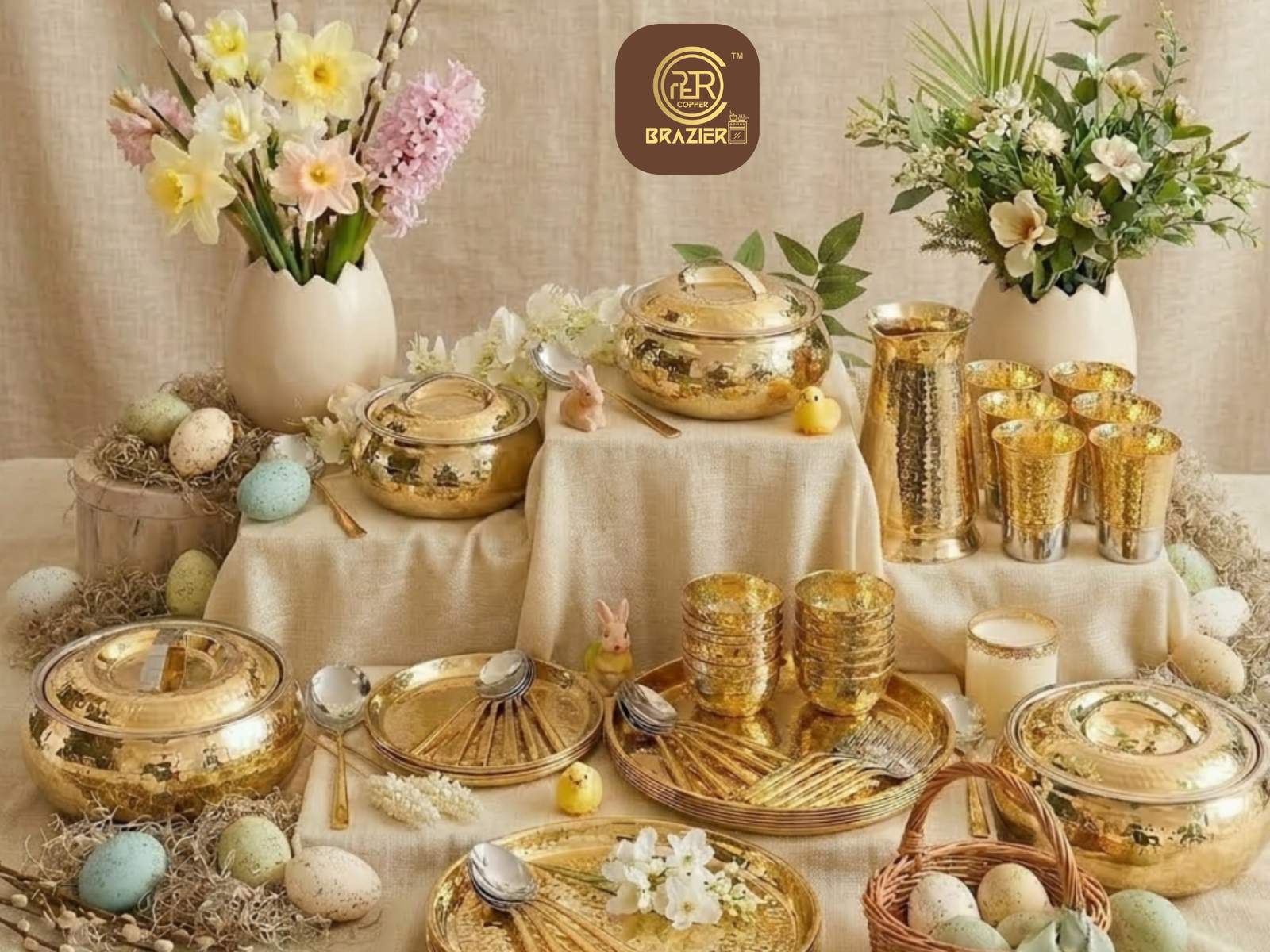
Elevate Easter Table Setting with Copper and Brass Accents

We love the Easter Bunny. The chocolate, the jelly beans, the whimsical baskets spilling over with pastel goodies—it’s all part of the magic, especially if you have little ones running around the house with sticky fingers and eyes full of wonder. But here’s the thing. Easter is so much more than the bunny. It is the first great gathering of spring. It is the moment when winter finally loosens its grip, and we emerge, blinking into the sunlight, ready to open our homes again. It is a time for renewal, for connection, for gathering the people we love around a table that says, Welcome. Stay awhile. And if you really want to make that gathering unforgettable, it’s time to look beyond the bunny and talk about something that will truly elevate your Easter table: copper and brass cookware. Why Copper and Brass Cookware Belong on Your Easter Table? When we think of Easter tables, our minds often drift toward soft pastels—mint greens, blush pinks, buttery yellows, and lavender purples. And there is absolutely nothing wrong with that palette. It is classic for a reason. But here is the secret that professional stylists and seasoned entertainers know: metallics are what make a table sing. Copper and brass cookware , in particular, are the perfect partners for spring. Their warm, rosy glow complements pastel shades beautifully, adding depth, richness, and a touch of elegance that elevates the entire experience. They are the bridge between the whimsy of childhood Easter egg hunts and the sophistication of an adult gathering worth savoring. Think of copper and brass cookware as the jewellery of your table. You wouldn’t wear a beautiful dress without the right necklace or earrings to complete the look. Your table deserves the same attention. Start with the Foundation: Copper and Brass Cookware The most impact way to introduce copper and brass into your Easter table is through your serve ware. These pieces do double duty—they are both functional and stunning. Imagine a whole roasted spring lamb or glazed ham arriving at the table on a massive copper platter. The burnished surface catches the candlelight, reflecting it across the table like liquid gold. It announces that this is not just dinner. This is an occasion. For side dishes, consider brass bowls filled with buttery spring peas, roasted carrots with honey and thyme, or creamy scalloped potatoes. The warm metallic tones make even the simplest dishes look like works of art. And do not forget the bread. A brass bread basket lined with a simple linen napkin, holding warm hot cross buns or a crusty sourdough, adds a touch of rustic elegance that feels both effortless and intentional. Create Visual Interest with Height and Texture One of the most common mistakes people make when setting a holiday table is keeping everything flat. A flat table is a forgettable table. The magic happens when you introduce height and texture. Copper and brass candlesticks are your best friends here. Choose a few in varying heights—tall taper holders mixed with shorter, wider pillars—and cluster them down the center of your table. When you light them as guests sit down, the flickering flames will dance across the copper surfaces, creating a warm, intimate glow that no overhead light can replicate. Vases are another opportunity. A copper urn filled with spring branches, tulips, or daffodils makes a stunning centerpiece that draws the eye upward. If you prefer something lower that doesn’t block conversation, a shallow brass bowl filled with fresh greenery and speckled eggs adds organic texture and a nod to the season. Layer Your Linens for Contrast Copper and brass cookware are warm metals, and they look their best when paired with contrasting textures. This is where your linens come into play. A crisp white tablecloth is a classic choice, allowing the metallic accents to truly pop. But do not be afraid to experiment with natural linens—think raw, undyed cotton or burlap runners—that provide an earthy contrast to the shine of the metals. For a truly stunning effect, layer a soft linen runner down the center of the table and place your copper serveware, brass candlesticks, and floral arrangements directly on top. The combination of rustic and refined creates a tablescape that feels both elegant and inviting. Small Details That Make a Big Impact The difference between a beautiful table and an unforgettable table often comes down to the small details. These are the touches that your guests may not consciously notice but will absolutely feel. Consider using small copper cups or brass votive holders as place card holders. Tuck a sprig of rosemary or a tiny nest with a miniature chocolate egg beside each guest’s napkin. Use copper flatware for a bold, unexpected statement—it pairs beautifully with white or cream dinnerware and adds a layer of sophistication that silver simply cannot match. If you serve individual desserts, consider presenting them on small copper or brass plates. Lemon tarts, pistachio cakes, or even simple store-bought petit fours look instantly elevated when served on a gleaming metal surface. The Conversation Piece Here is what I love most about incorporating copper and brass into an Easter table: they become conversation starters. Your guests will notice the beautiful platter. They will ask about the candlesticks. They will run their fingers along the edge of a brass bowl and comment on its warmth. And that opens the door for something wonderful—storytelling. You can share where you found a particular piece. You can talk about the tradition of using copper cookware for holiday meals. You can laugh about the time you accidentally left a brass tray outside and discovered the most beautiful patina you had ever seen. Those moments of connection, of sharing, of lingering over the table long after the plates have been cleared—that is what makes Easter meaningful. That is what your guests will remember. From Ordinary to Extraordinary This Easter, I encourage you to think beyond the bunny. Yes, embrace the whimsy and the chocolate and the joy of

Copper Fry Pan, copper cookware, brass utensils, traditional cooking, healthy cooking, desi utensils, pure copper, brass cookware, ayurvedic cooking, eco kitchen, copper safety, is it safe, myths vs facts, healthy lifestyle, cooking tips, kitchen hacks, ancient wisdom, modern kitchen, kitchen essentials, homemaker, vibe kitchen, aesthetic kitchen, vintage kitchen, utensils, home decor, insta good, viral reels, trending reels, explore page, for you, fyp, instagram reels, viral videos, reels instagram, copper brazier, shop local, support small business
Copper Products

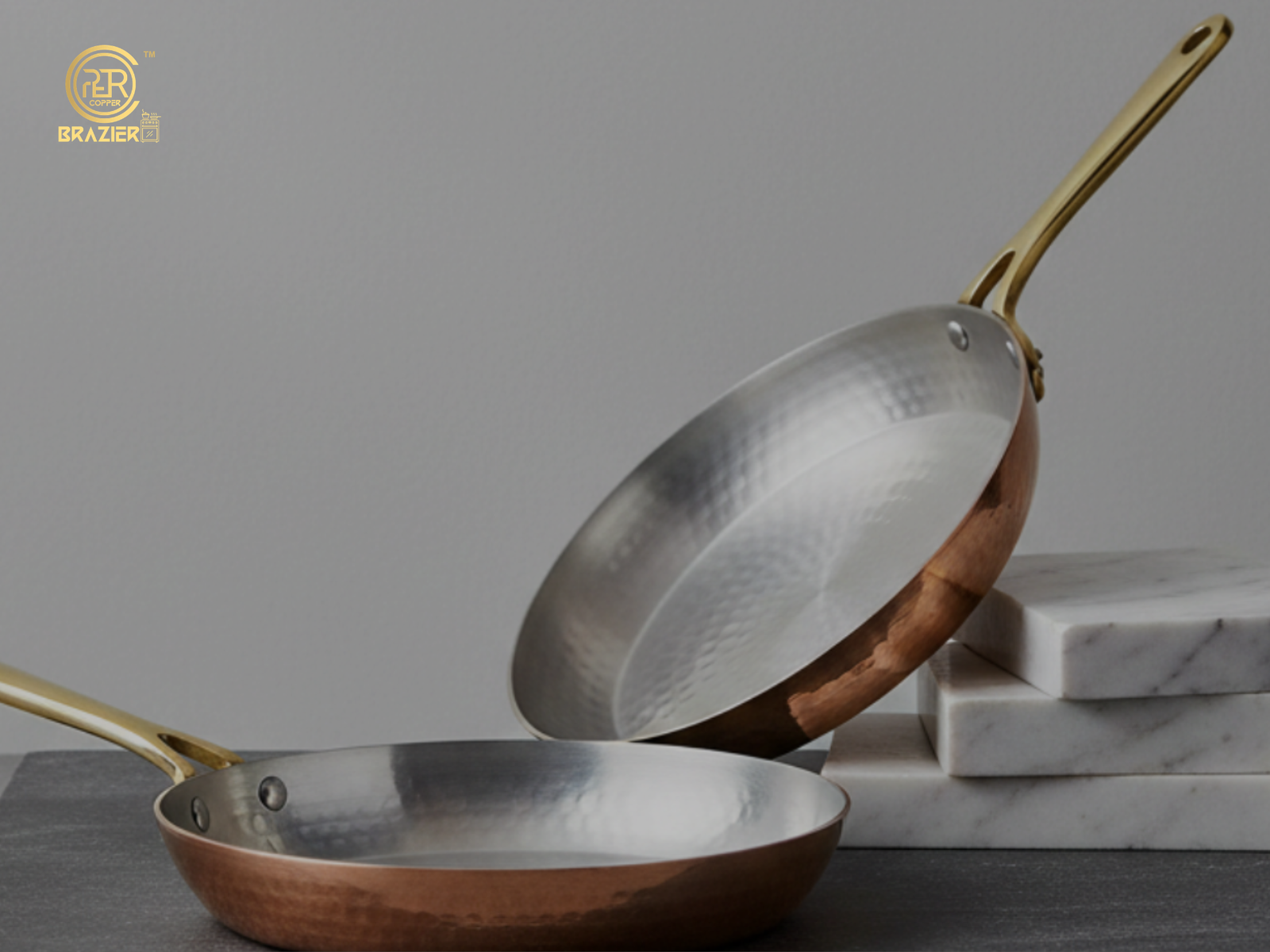
Why Expensive Copper Fry Pans Are Actually the Cheapest in the Long Run?

I still remember the exact moment my relationship with cookware changed forever. It was a Sunday morning. Guests were arriving in an hour. I stood at my stove, spatula in hand, staring down at my third non-stick frying pan in four years. The coating had started peeling again. Tiny black flecks floated in the eggs I was scrambling—the eggs I was about to serve to people I loved. I wanted to cry. Not because of the eggs. Because of the familiar, sinking realisation that I would soon be back at the home goods store, handing over another $70 because i don’t know about copper fry pan , bringing home another pan that would work beautifully for a few months and then quietly, inevitably betray me. That morning, I did something that felt utterly insane. I decided to spend $300 on a single copper frying pan. My wallet screamed. My practical brain called me reckless. But somewhere beneath all that noise, I knew something I hadn’t yet put into words: I was tired of paying for things twice. I was tired of kitchens that promised durability and delivered disappointment. I was tired of a cycle that had me spending more money over time than if I had simply bought quality from the very beginning. That morning, I stopped buying pans. I started investing in them. The Great Kitchen Lie We’ve been sold a story. It goes something like this: A $50 pan is cheaper than a $300 pan. That’s just math. That’s common sense. That’s being smart with your money. Except it’s none of those things. It’s the most expensive lie in the kitchen. Because that $50 pan isn’t just $50. It’s $50 today, and another $50 in two years, and another $50 in two more years. It’s the quiet, recurring subscription fee you never agreed to but keep paying anyway. It’s the cost of burned food because heat distribution was uneven. It’s the cost of time spent scrubbing surfaces that promised they’d never stick. It’s the cost of frustration that slowly, invisibly steals the joy from something that should be a pleasure. Add it all up over a decade, and something strange happens. The “expensive” pan becomes the cheap one. And the “cheap” pan reveals itself to be the most expensive thing you ever bought. Why Cheap Pans Keep Taking Your Money? Here’s what nobody tells you when you buy a budget pan. It arrives with an invisible expiration date stamped into its very design. Non-stick coatings aren’t built to last. They’re built to feel wonderful for about eighteen months and then degrade quietly, shedding microscopic particles into your food, losing their non-stick properties, turning from kitchen hero to kitchen frustration faster than you ever expected. Stainless steel budget options aren’t much better. Thin construction means hot spots that burn your food in one place while undercooking it in another. Warping over time means a pan that no longer sits flat on your burner. Handles that loosen. Rivets that weaken. None of these things happen because you did something wrong. They happen because the pan was never designed to last. It was designed to be replaced. And every time you replace it, you hand over more money. More time. More energy. Another Saturday afternoon spent researching pans instead of cooking in them. Another box to recycle. Another tool in your kitchen that feels slightly less trustworthy than the one before it. Cheap pans aren’t a one-time expense. They’re a subscription. And subscriptions, as anyone who’s ever checked their bank statement knows, always cost more in the long run than buying something outright. What Makes Copper Different? Copper doesn’t have an expiration date. It doesn’t wake up one morning and decide to stop working. It doesn’t come with coatings that promise forever and deliver a few seasons. It doesn’t warp, it doesn’t degrade, it doesn’t quietly become less useful with every passing year. What copper does is transform. The bright, gleaming surface you fall in love with on day one will slowly develop character. A rich, warm patina that tells the story of every meal you’ve made. Every sauce. Every sear. Every dinner shared with people you love. It becomes more beautiful with age, not less. More valuable. More yours. And underneath that evolving surface? The same flawless performance. The same instant heat response. The same even cooking that makes copper the material of choice for chefs who demand reliability. I’ve held copper pans that were made before my grandparents were born. They cook just as well today as they did a hundred years ago. Find me a non-stick copper fry pan from 1925. Go ahead. I’ll wait. You can’t. Because they didn’t exist. And if they had, they’d have been in a landfill decades ago. When you buy copper, you’re not buying a copper fry pan for this year or next year. You’re buying a copper fry pan for the rest of your life. And probably for whoever cooks in your kitchen after you. The Costs That Never Make It to the Price Tag Let me tell you about the math that spreadsheets can’t capture. There’s a cost to cooking with tools that frustrate you. It’s not a line item. It won’t show up on your bank statement. But you feel it every time you stand at the stove. The cost of burned food that should have been perfect. The cost of extra oil you use trying to compensate for surfaces that no longer release food easily. The cost of time spent scrubbing and soaking and wishing your copper fry pan worked as well as it used to. The cost of that small, quiet voice that says maybe you’re just not a good cook—when really, it’s the pan that’s failing you. And then there’s the cost of constantly thinking about replacements. The mental energy spent noticing that your pan is on its last legs. The research. The comparisons. The trip to the store. The box you recycle. The new

Scroll to Top
Seraphinite AcceleratorOptimized by Seraphinite Accelerator
Turns on site high speed to be attractive for people and search engines.