Copper Brazier

Mother’s Day Copper & Brass Cookware Sale is LIVE! Tap the Shop Section and Find a Gift She’ll Truly Love
Limited-Time Offer (Festive Combo Bonanza ) Get $15 OFF on Combo set! Use code DIWALI15
Copper Fry Pan, copper cookware, brass utensils, traditional cooking, healthy cooking, desi utensils, pure copper, brass cookware, ayurvedic cooking, modern kitchen, kitchen essentials, vibe kitchen, aesthetic kitchen, vintage kitchen, utensils, home decor, copper brazier, copper and brass cookware,copper water bottle, serving ladles, cooking ladles, copper or brass, copper cookware, copper brazier, brass utensils, traditional cooking, ayurvedic kitchen, healthy kitchen, non stick free, sustainable living, copper benefits, old is gold, metal utensils
Benefits of Brass and Copper Cookware

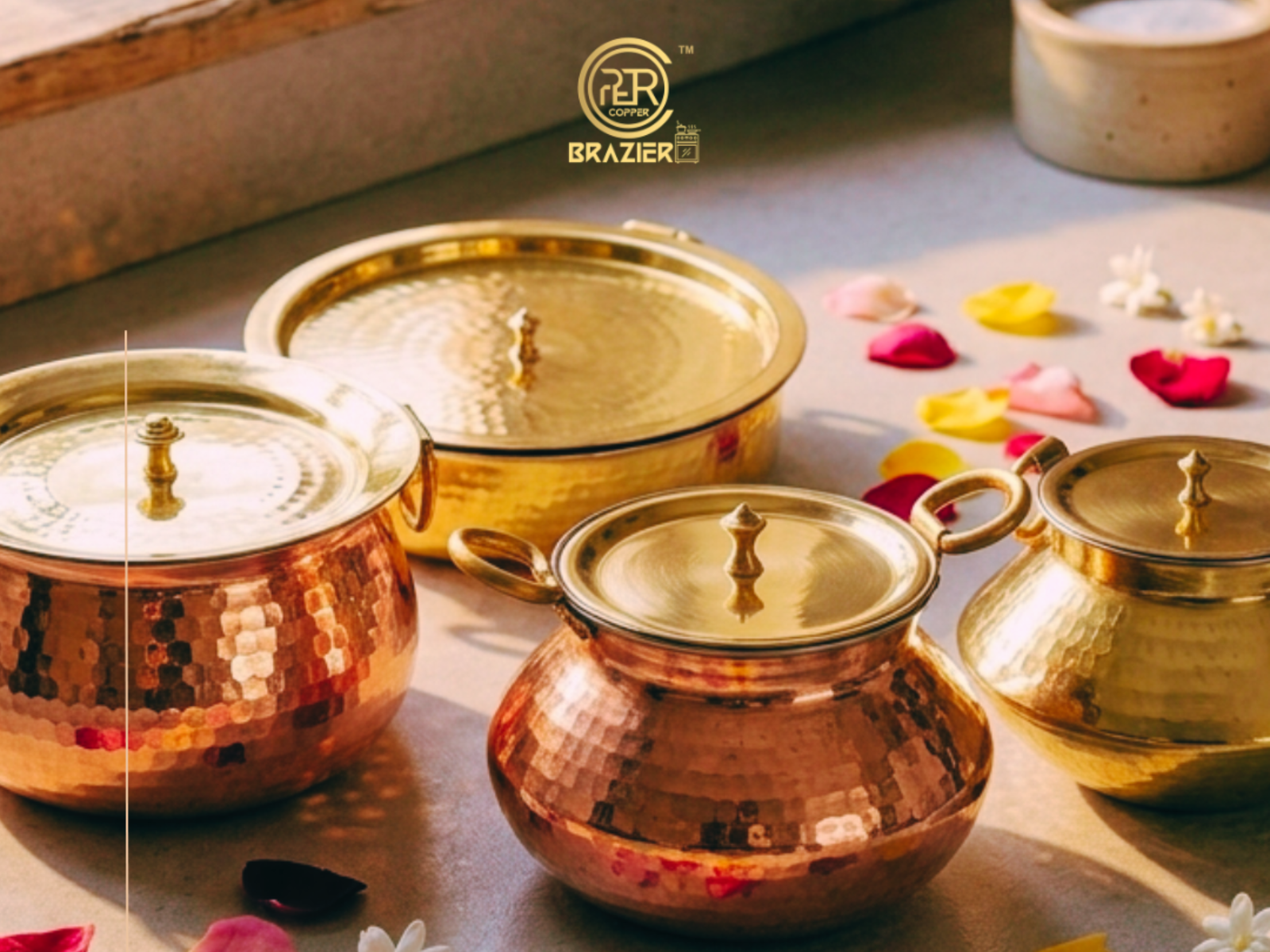
Surprise Mom This Mother’s Day with Beautiful Copper & Brass Cookware

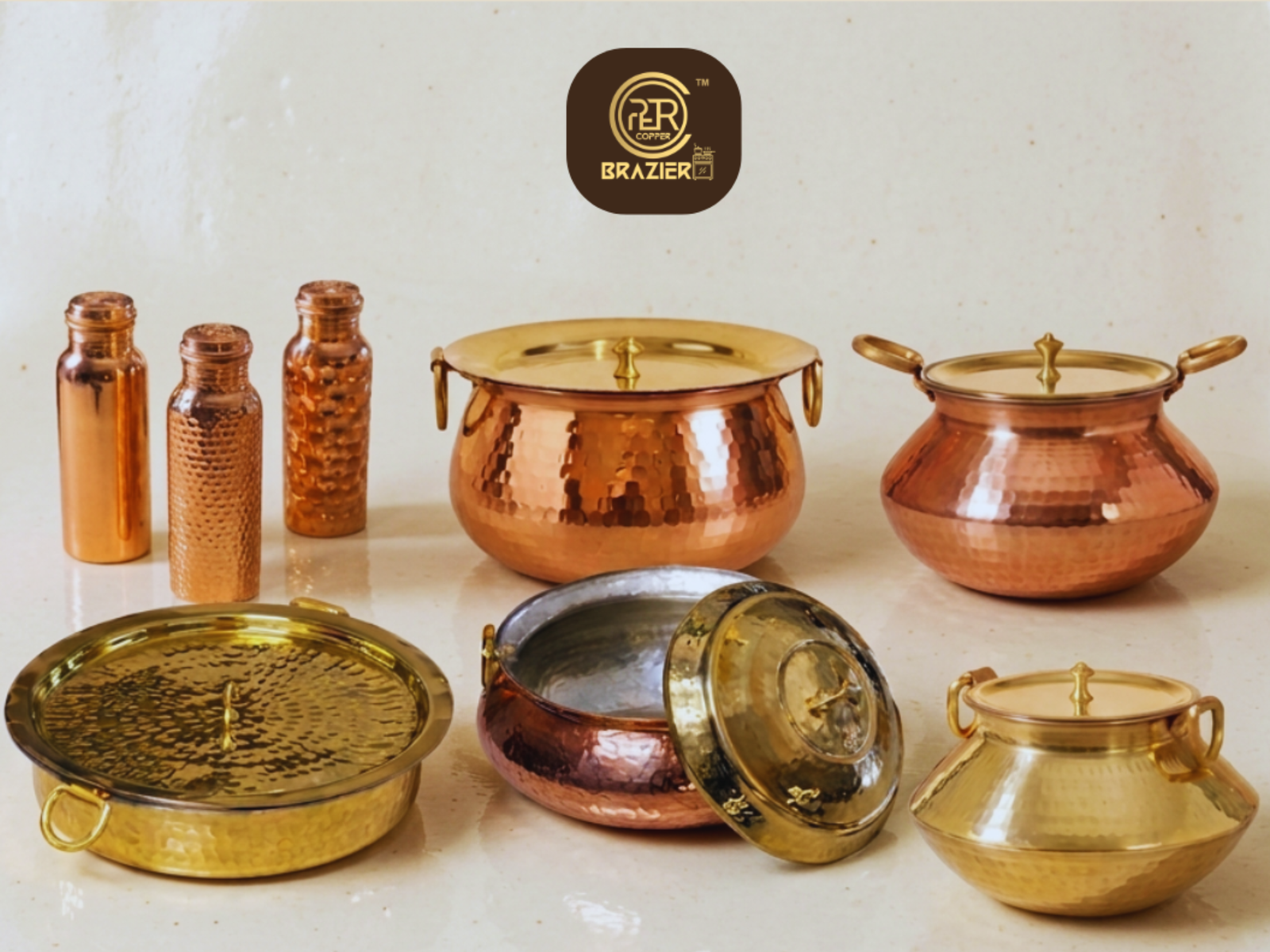
Let’s be honest for a second. You’ve bought the flowers. You’ve done the brunch. You might have even risked buying her a robe (again). And every single time, she smiles, hugs you, and says, “You shouldn’t have.” But this year, what if she actually meant it? What if you could hand her something that makes her eyes light up—not out of politeness, but out of genuine wonder? It’s time to talk about the Best Mother’s Day gift for mom that isn’t another generic “#1 Mom” mug. It is time to talk about copper & brass cookware. Why Your Kitchen Deserves a Plot Twist? Moms are the magicians of the home. They turn empty fridges into feasts and chaos into comfort. But even the best magician deserves a better wand. Enter copper. For centuries, the world’s finest chefs have guarded their copper pots like treasure. Why? Because copper cookware benefits are almost unfair. It heats faster than steel, cools down instantly when you pull it off the flame, and distributes heat so evenly that your mother will never burn a roux or scorch a custard again. Imagine her face when she realizes her sauces no longer stick. Imagine her Sunday gravy tasting like it came from a Tuscan villa. That isn’t a gift. That is an upgrade to her legacy in the kitchen. The Quiet Luxury of Brass We cannot forget brass. In a world full of non-stick coatings that peel and aluminum that warps, brass stands apart. Copper & brass cookware for healthy cooking is not a trend; it is a return to wisdom. Unlike chemical-laden synthetic surfaces, brass offers a naturally hygienic surface. It is heavy, sturdy, and carries a warmth that plastic-handled pans simply cannot mimic. When you give brass, you are telling your mother, “Your health matters. Your craft matters. You matter.” And let’s be real—have you seen a brass pot sitting on a stovetop? It glows. It commands the room. It turns a simple Tuesday night dal or stew into a visual masterpiece. Why “Unique” Wins Every Time Every other child will buy perfume. Your sibling will get her a gift card. But you? You are bringing her a unique gift for mom that she will actually use. Every. Single. Day. Think about the scent memory. Years from now, she will pull out that copper saucepan to make your favorite hot chocolate, and she will remember exactly who gave it to her. That is emotional permanence. You cannot get that from a scented candle. This is why copper & brass cookware is best for mothers—not just because it cooks well, but because it speaks her love language. If her love language is an act of service, you just made her cooking easier. If it is quality time, you just gave her a reason to invite you over for lessons. And if it is gift giving, well, she is going to show this beauty off to every neighbor who walks through the door. A Warning Do not buy cheap, thin copper from a big box store. Real copper is heavy. It is rose-gold in color, and it rings like a bell when you flick it. The same goes for brass—look for food-grade, unlined interiors if possible, or traditional tin linings. Your mother deserves the real thing. She spent years wiping your tears and packing your lunches. She didn’t buy you the discount sneakers. Do not buy her the discount pan. How to Make Her Morning Unforgettable Picture Mother’s Day morning. She walks into the kitchen for her first cup of tea. The sun is hitting the counter. And there it is—a gleaming copper pot or a polished copper & brass cookware, tied with a simple ribbon. No wrapping paper required. The metal speaks for itself. She will run her fingers over the rim. She will gasp. And for the first time in a long time, she will actually say, “How did you know?” Final Thoughts You can find a thousand generic gifts at the mall. But if you want to make your mother feel like the queen she is, you need the real thing. And you need it now, before shipping runs out for the holiday rush. If you wanna make your mother feel more special, then explore our copper & brass cookware collection where you get many items that you wanna gift her and make her day special. From hammered copper frying pans to elegant brass ladles and milk boilers that look like heirlooms, we have curated the pieces that matter. And you know where to visit, right? Copper Brazier is your one stop destination. Stop settling for “fine.” Give her the gift that cooks, glows, and lasts longer than a lifetime. This Mother’s Day, don’t just surprise her. Astonish her. Shop the collection now—because she’s been waiting for this gift since the day you were born.

Copper Fry Pan, copper cookware, brass utensils, traditional cooking, healthy cooking, desi utensils, pure copper, brass cookware, ayurvedic cooking, modern kitchen, kitchen essentials, vibe kitchen, aesthetic kitchen, vintage kitchen, utensils, home decor, copper brazier, copper and brass cookware, copper water bottle, serving ladles, cooking ladles, copper or brass
Benefits of Brass and Copper Cookware

Copper and Brass: The Only Cookware That Actually Improves with Age

Let me ask you something painful about Non-stick pan and helpful about copper and brass. When was the last time you threw away a non-stick pan? You know the ritual. You baby it. You hide the metal utensils. You whisper sweet nothings so the Teflon doesn’t flake. And then, twelve months later—bam. Sticky eggs. Scratched surface. Off to the landfill it goes. Now, look at your grandmother’s copper pot. The one with the dents. The one that appears to have survived a conflict. That pot is worth more today than the day she bought it. Welcome to the secret that professional chefs and antique collectors have known for centuries. Copper and brass don’t just “last.” They get better. The Patina Paradox Most people see tarnish and panic. They grab the harsh chemicals. They scrub until the metal screams. They are making a terrible mistake. That dark, rainbow-hued swirl on your copper? That warm, antique glow on your brass? That is not dirt. That is character. That is the metal breathing. When copper reacts with heat and air, it forms a protective layer called patina. Unlike rust (which eats iron for breakfast), patina is a gentle guardian. It shields your cookware from deep corrosion. And here is the magic trick: The more you cook, the better the protection. Every time you saute onions in a brass pan or sear a steak in a copper skillet, you are not wearing the metal down. You are annealing it. You are seasoning it. You are building a non-stick surface that no factory spray can replicate. The Heat Doesn’t Lie Let’s talk about science for twenty seconds. When it comes to thermal conductivity, copper is without a doubt the king. Stainless steel is lazy. Aluminum is erratic. But copper? Copper wakes up instantly. It spreads heat like a calm lake. No hot spots. No burnt corners. But here is the aging secret: As copper ages, it develops microscopic textures that hold heat more evenly. A brand-new copper pan is brilliant. A ten-year-old copper pan is a zen master. And brass—an alloy of copper and zinc—becomes denser with use. The more thermal cycles it goes through, the more its molecular structure settles into a perfect rhythm. It learns your stove. It learns your cooking style. You cannot buy that. You can only earn it. The Sentimental Alchemy Let me get emotional for a second. We live in a disposable world. We buy flatpacks from Sweden and trash them when we move. But a copper saucepan? A brass mortar and pestle? These are heirlooms in waiting. Think about the dents on a vintage pot. Each one tells a story. The small ding from the time you dropped it while rushing to feed a sick friend. The deep scratch from the night you tried to flambé and got a little too confident. The smooth, worn handle—polished by your father’s hands, and now by yours. Steel stays cold. Aluminium stays forgettable. But copper and brass remember. They oxidise. They mellow. They turn from a shiny, arrogant penny into a deep, sunset-ruby treasure. You cannot fake that with a filter. You have to live it. Why Your Wallet Will Thank You after purchasing the Copper and Brass Cookware? Add up the cost of replacing your non-stick pans every two years. Do it. I’ll wait. Now, compare that to one solid copper saucier. Yes, the upfront price makes you gulp. But that pot will outlive your children’s children. In fact, if you take basic care of it, you will never buy another saucepan again. And when you pass it down? That “old” cookware is the most respected thing in the kitchen. Michelin-starred chefs hunt for vintage copper. They pay premiums for it. Because they know: Old copper cooks faster, cooler, and cleaner than anything fresh off a factory line. The One Rule You Must Follow Now, a truth bomb. Copper and brass are nearly indestructible… if you respect one rule: Don’t let tomatoes sit in bare copper for six hours. (Acid + bare copper = a bad science experiment). Most quality pieces are lined with tin or stainless steel. That lining might wear out after a few decades. And you know what? That’s fine. Relining a copper pot is easy. It’s like resolving a leather boot. You don’t throw away the boot. You fix it. That is the beauty of cooking with metals that have souls. Final Thoughts So, the next time you see a dull, slightly spotty copper pan? Do not scroll past. Do not reach for the polish. See it for what it is: A living, breathing piece of kitchen history that is just hitting its prime. Stop chasing the sterile, shiny, silent cookware that ends up in a recycling bin. Start cooking with the metals that sing when they heat up, that blush when they age, and that tell a story every time you lift the lid. If this little love letter to timeless metals made you hungry for more—hungry for the secrets of how to season that brass, how to bring back a tired lining, or which copper thickness is best for jam making—then come hang out with us. You can dive deeper into care guides, chef tips, and the surprising health benefits of cooking with these ancient alloys over on our blog section. We update it with the kind of knowledge that turns a good cook into a legend. And if you are finally ready to stop renting your cookware and start owning an heirloom? If you want to buy a gift for someone you truly love (including yourself)? Then you know exactly where to visit. That’s right: Copper Brazier. They aren’t just a store. They are the trusted, genuine partner for copper and brass cookware. From gleaming Moroccan brass tagines to heavy-gauge French copper saucepans, their collection is vast, authentic, and curated for the cook who refuses to settle. Stop throwing your money away on disposable pans. Go to Copper Brazier. Start an heirloom

Copper Fry Pan, copper cookware, brass utensils, traditional cooking, healthy cooking, desi utensils, pure copper, brass cookware, ayurvedic cooking, modern kitchen, kitchen essentials, vibe kitchen, aesthetic kitchen, vintage kitchen, utensils, home decor, copper brazier, copper and brass cookware,copper water bottle
Benefits of Brass and Copper Cookware

What to Know Before Buying Copper Pans for Gas vs Electric Stoves?

Let me paint you a picture. You’ve finally done it. You’ve saved up, scrolled through a thousand glossy Instagram reels, and pulled the trigger on that stunning, gleaming row of copper pans. They look like jewelry for your kitchen. You hang them on a rack just to admire them. Then, you cook an egg. It sticks like concrete. The heat is wildly uneven. Your beautiful pan turns splotchy brown. You start sweating, wondering if you’ve just wasted a mortgage payment on cookware that hates you. Here is the secret the luxury magazines won’t tell you: Your copper pan isn’t the problem. Your stove is. Before you spend another dollar (or ruin another omelet), you need to understand the war between Gas and Electric stoves. Pick the wrong match, and you’ll hate cooking. Pick the right one, and you’ll feel like a Michelin-star chef. Let’s tear down the myths right now. The Gas Stove: The Natural Best Friend of Copper If copper cookware were a celebrity, gas stoves would be its childhood best friend. Here is why gas wins for copper. The Instant Reaction: Copper is the most responsive metal on earth. Turn a gas flame up, and the pan gets hotter in seconds. Turn it down, and it drops instantly. This is why chefs love copper—it gives you absolute control. On a gas stove, you are the master of thermodynamics. The Open Flame Forgiveness: Gas flames lick around the sides of the pan. This is critical because copper conducts heat so fast that the sidewalls get hot, too. No cold spots. No burnt centers. The Warning (Don’t Ignore This): On gas, the flame should never creep up the sides of the pan. If you see orange flames climbing the shiny metal, you are creating a “hot wall.” This will melt the tin lining (if it’s traditional) or discolor the exterior permanently. Keep the flame under the base, and you’re golden. The Electric Stove: The Tricky Lover Now, let’s talk about the elephant in the room. Electric stoves—especially the flat-top glass or ceramic ones—are the most popular stoves in modern apartments. And they are the most dangerous for your copper pans if you don’t know the rules. The Warping Nightmare: Electric coils and glass tops get fiercely hot in a specific circle. Unlike gas, the heat has nowhere to go but straight up. Copper expands fast. If you drop a cold copper pan onto a screaming-hot electric coil, the metal expands unevenly, and pops—your flat bottom becomes a wobbly spinner. Once a copper pan warps, it never recovers. The Slow Burn Trap: Remember how copper reacts instantly? An electric stove reacts slowly. If you turn the dial down, the coil stays hot for minutes. Your copper pan will cool down immediately, but the stove won’t. This mismatch creates a “yo-yo” effect where your butter burns, then solidifies, then burns again. The Scratch Factor: Most copper pans have a stainless steel or tin lining. On a glass-top electric stove, dragging a heavy copper pan (they are heavy!) can scratch the glass like a diamond cutter. And if you have exposed copper on the bottom? It can fuse to the glass top. Yes, fuse. You might literally weld your pan to your stove. The Ultimate Cheat Sheet: Which Copper Pan Should You Buy? You cannot just buy “a copper pan.” You must buy the right construction for your heat source. The One Mistake That Kills Both Stoves Whether you have gas or electric, do not fall for the “decorative copper” scam. You see those cheap pans at home goods stores that look like a penny? They have 0.3mm of copper. That is basically copper-colored foil glued to aluminum. On gas, they burn instantly. On electric, they buckle. Real copper cookware starts at 1.5mm thickness. Anything less is a costume, not a tool. How to Cook Like a Pro? The Bottom Line Copper pans are not “hard to use.” They are specific. Match them to a gas stove, and you have heaven. Use them on a cheap electric coil without a steel base, and you have a wobbly, burnt mess. But here is the real problem: Most stores sell you junk because the salespeople have never held a pan over a fire. You need a source that lives and breathes the metal.

Copper Fry Pan, copper cookware, brass utensils, traditional cooking, healthy cooking, desi utensils, pure copper, brass cookware, ayurvedic cooking, modern kitchen, kitchen essentials, vibe kitchen, aesthetic kitchen, vintage kitchen, utensils, home decor, copper brazier, copper and brass cookware,copper water bottle
Benefits of Brass and Copper Cookware

The 5,000-Year-Old Copper Cookware Secret That Modern Cookware Can’t Match

Close your eyes for a second. Imagine your grandmother’s kitchen with Copper Cookware. Not the granite counter tops. Not the air fryer. Go further back. Hear the gentle clink of a heavy pot being lifted from a flame. See the warm, honeyed glow of a brass vessel. Feel the satisfying weight of a copper pan in your hands. That sound? That gleam? That weight? It holds a 5,000-year-old secret. And your non-stick pan is terrified you might learn it. The Lie We’ve Been Sold Let’s be honest. We’ve been tricked by shiny marketing and celebrity-endorsed cookware sets. We were told that modern equals better. That non-stick means healthy. That stainless steel is the pinnacle of progress. But here’s the truth they don’t advertise: Most modern cookware is disposable by design. The coating flakes. The handles loosen. Every few years, you throw it away and buy another. Meanwhile, somewhere in a quiet village kitchen, a brass pot that’s older than your grandfather is still simmering the same dal it made fifty years ago. So what’s the secret? The Secret Isn’t Technology. It’s Intelligence. 5,000 years ago, there were no food scientists. No lab coats. No chemical engineers designing synthetic coatings. And yet, ancient civilisations figured out something that we’ve collectively forgotten: The right metal doesn’t just hold your food. It completes your food. Let me explain. Copper and brass aren’t inert. And that’s a good thing. When you cook in copper, microscopic amounts of the metal leach into your food. Before you panic—stop. Your body needs copper. It’s essential for nerve function, iron absorption, and collagen production. Modern pans give you nothing. Copper gives you a trace mineral boost with every stir. Brass (an alloy of copper and zinc) takes it further. Zinc supercharges your immune system. It heals wounds. It balances hormones. You’re not just cooking dinner. You’re fortifying your body with every single bite. Can your ceramic-coated pan say that? No. It can’t even say “thank you.” The Flavour Difference You Can Taste Here’s where it gets really interesting. Ever wondered why food tastes different at your grandmother’s house? Why the same recipe, same ingredients, same stove… but a completely different result? It’s the vessel. Copper heats with an almost unnatural evenness. No hot spots. No burned patches in your curry. Just pure, gentle, uniform heat that coaxes flavour out of every spice. Brass holds that heat like a loving embrace, allowing slow-cooked dishes to develop depth that’s impossible in thin, mass-produced aluminium. I’ll say it plainly: Modern cookware cooks food. Brass and copper cookware understands it. But Wait… Isn’t It Hard to Maintain? I hear you. “But won’t it tarnish? Don’t I have to polish it? Isn’t it heavy?” Yes. And that’s exactly the point. Anything worth keeping asks something of you. Your grandmother didn’t complain about polishing her brass. She took pride in it. That Sunday morning ritual of cleaning the vessels wasn’t a chore—it was a meditation. A connection. A quiet promise that this pot would feed her grandchildren the way it fed her children. We’ve replaced that relationship with disposable convenience. And we’ve lost something sacred along the way. The Invitation You don’t have to throw away every pan in your kitchen tonight. But I invite you to question something: What if the best cookware isn’t the newest? What if it’s the oldest? What if that 5,000-year-old secret isn’t really a secret at all—just a truth we got too busy to remember? Ready to Bring the Secret Home? If this stirred something in you—if you felt that tug toward tradition, toward real food, toward cooking that nourishes both body and soul—then don’t stop here. There are still craftsmen keeping this ancient wisdom alive. One of them is Copper Brazier. They’ve taken the old metal tradition like copper cookware and brought it gracefully into the modern generation. No gimmicks. No shortcuts. Just honest, beautiful, powerful brass and copper cookware that will outlive you—and make every meal healthier and more delicious than anything your non-stick pan ever dreamed of making. Your grandmother knew the secret. Now you do too. Visit Copper Brazier today. And taste the last 5,000 years in your very next meal.

Copper Fry Pan, copper cookware, brass utensils, traditional cooking, healthy cooking, desi utensils, pure copper, brass cookware, ayurvedic cooking, eco kitchen, copper safety, is it safe, myths vs facts, healthy lifestyle, cooking tips, kitchen hacks, ancient wisdom, modern kitchen, kitchen essentials, homemaker, vibe kitchen, aesthetic kitchen, vintage kitchen, utensils, home decor, insta good, viral reels, trending reels, explore page, for you, fyp, instagram reels, viral videos, reels instagram, copper brazier, shop local, support small business, copper and brass cookware
Benefits of Brass and Copper Cookware

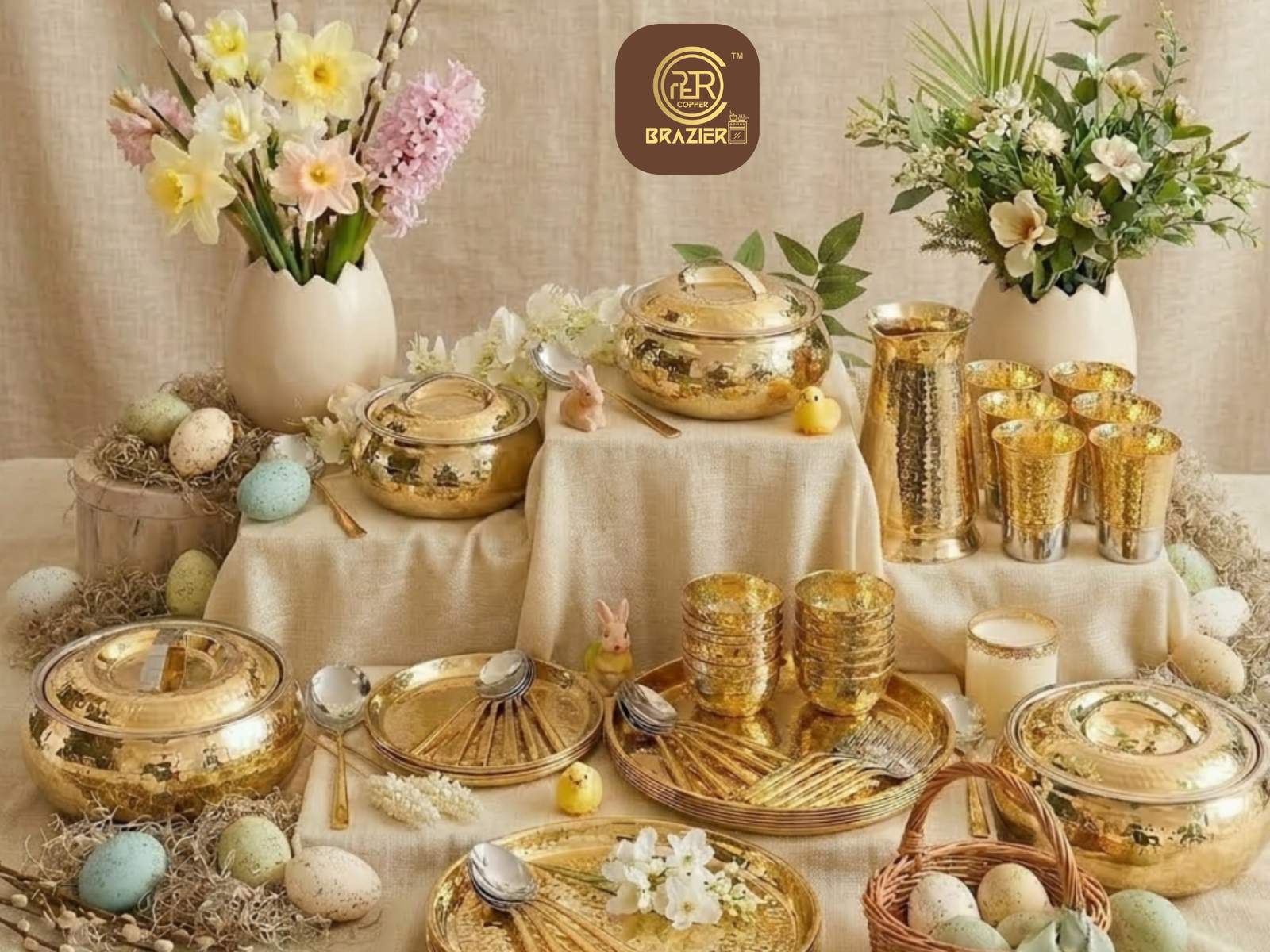
Elevate Easter Table Setting with Copper and Brass Accents

We love the Easter Bunny. The chocolate, the jelly beans, the whimsical baskets spilling over with pastel goodies—it’s all part of the magic, especially if you have little ones running around the house with sticky fingers and eyes full of wonder. But here’s the thing. Easter is so much more than the bunny. It is the first great gathering of spring. It is the moment when winter finally loosens its grip, and we emerge, blinking into the sunlight, ready to open our homes again. It is a time for renewal, for connection, for gathering the people we love around a table that says, Welcome. Stay awhile. And if you really want to make that gathering unforgettable, it’s time to look beyond the bunny and talk about something that will truly elevate your Easter table: copper and brass cookware. Why Copper and Brass Cookware Belong on Your Easter Table? When we think of Easter tables, our minds often drift toward soft pastels—mint greens, blush pinks, buttery yellows, and lavender purples. And there is absolutely nothing wrong with that palette. It is classic for a reason. But here is the secret that professional stylists and seasoned entertainers know: metallics are what make a table sing. Copper and brass cookware , in particular, are the perfect partners for spring. Their warm, rosy glow complements pastel shades beautifully, adding depth, richness, and a touch of elegance that elevates the entire experience. They are the bridge between the whimsy of childhood Easter egg hunts and the sophistication of an adult gathering worth savoring. Think of copper and brass cookware as the jewellery of your table. You wouldn’t wear a beautiful dress without the right necklace or earrings to complete the look. Your table deserves the same attention. Start with the Foundation: Copper and Brass Cookware The most impact way to introduce copper and brass into your Easter table is through your serve ware. These pieces do double duty—they are both functional and stunning. Imagine a whole roasted spring lamb or glazed ham arriving at the table on a massive copper platter. The burnished surface catches the candlelight, reflecting it across the table like liquid gold. It announces that this is not just dinner. This is an occasion. For side dishes, consider brass bowls filled with buttery spring peas, roasted carrots with honey and thyme, or creamy scalloped potatoes. The warm metallic tones make even the simplest dishes look like works of art. And do not forget the bread. A brass bread basket lined with a simple linen napkin, holding warm hot cross buns or a crusty sourdough, adds a touch of rustic elegance that feels both effortless and intentional. Create Visual Interest with Height and Texture One of the most common mistakes people make when setting a holiday table is keeping everything flat. A flat table is a forgettable table. The magic happens when you introduce height and texture. Copper and brass candlesticks are your best friends here. Choose a few in varying heights—tall taper holders mixed with shorter, wider pillars—and cluster them down the center of your table. When you light them as guests sit down, the flickering flames will dance across the copper surfaces, creating a warm, intimate glow that no overhead light can replicate. Vases are another opportunity. A copper urn filled with spring branches, tulips, or daffodils makes a stunning centerpiece that draws the eye upward. If you prefer something lower that doesn’t block conversation, a shallow brass bowl filled with fresh greenery and speckled eggs adds organic texture and a nod to the season. Layer Your Linens for Contrast Copper and brass cookware are warm metals, and they look their best when paired with contrasting textures. This is where your linens come into play. A crisp white tablecloth is a classic choice, allowing the metallic accents to truly pop. But do not be afraid to experiment with natural linens—think raw, undyed cotton or burlap runners—that provide an earthy contrast to the shine of the metals. For a truly stunning effect, layer a soft linen runner down the center of the table and place your copper serveware, brass candlesticks, and floral arrangements directly on top. The combination of rustic and refined creates a tablescape that feels both elegant and inviting. Small Details That Make a Big Impact The difference between a beautiful table and an unforgettable table often comes down to the small details. These are the touches that your guests may not consciously notice but will absolutely feel. Consider using small copper cups or brass votive holders as place card holders. Tuck a sprig of rosemary or a tiny nest with a miniature chocolate egg beside each guest’s napkin. Use copper flatware for a bold, unexpected statement—it pairs beautifully with white or cream dinnerware and adds a layer of sophistication that silver simply cannot match. If you serve individual desserts, consider presenting them on small copper or brass plates. Lemon tarts, pistachio cakes, or even simple store-bought petit fours look instantly elevated when served on a gleaming metal surface. The Conversation Piece Here is what I love most about incorporating copper and brass into an Easter table: they become conversation starters. Your guests will notice the beautiful platter. They will ask about the candlesticks. They will run their fingers along the edge of a brass bowl and comment on its warmth. And that opens the door for something wonderful—storytelling. You can share where you found a particular piece. You can talk about the tradition of using copper cookware for holiday meals. You can laugh about the time you accidentally left a brass tray outside and discovered the most beautiful patina you had ever seen. Those moments of connection, of sharing, of lingering over the table long after the plates have been cleared—that is what makes Easter meaningful. That is what your guests will remember. From Ordinary to Extraordinary This Easter, I encourage you to think beyond the bunny. Yes, embrace the whimsy and the chocolate and the joy of

Copper Fry Pan, copper cookware, brass utensils, traditional cooking, healthy cooking, desi utensils, pure copper, brass cookware, ayurvedic cooking, eco kitchen, copper safety, is it safe, myths vs facts, healthy lifestyle, cooking tips, kitchen hacks, ancient wisdom, modern kitchen, kitchen essentials, homemaker, vibe kitchen, aesthetic kitchen, vintage kitchen, utensils, home decor, insta good, viral reels, trending reels, explore page, for you, fyp, instagram reels, viral videos, reels instagram, copper brazier, shop local, support small business
Copper Products

Why Expensive Copper Fry Pans Are Actually the Cheapest in the Long Run?

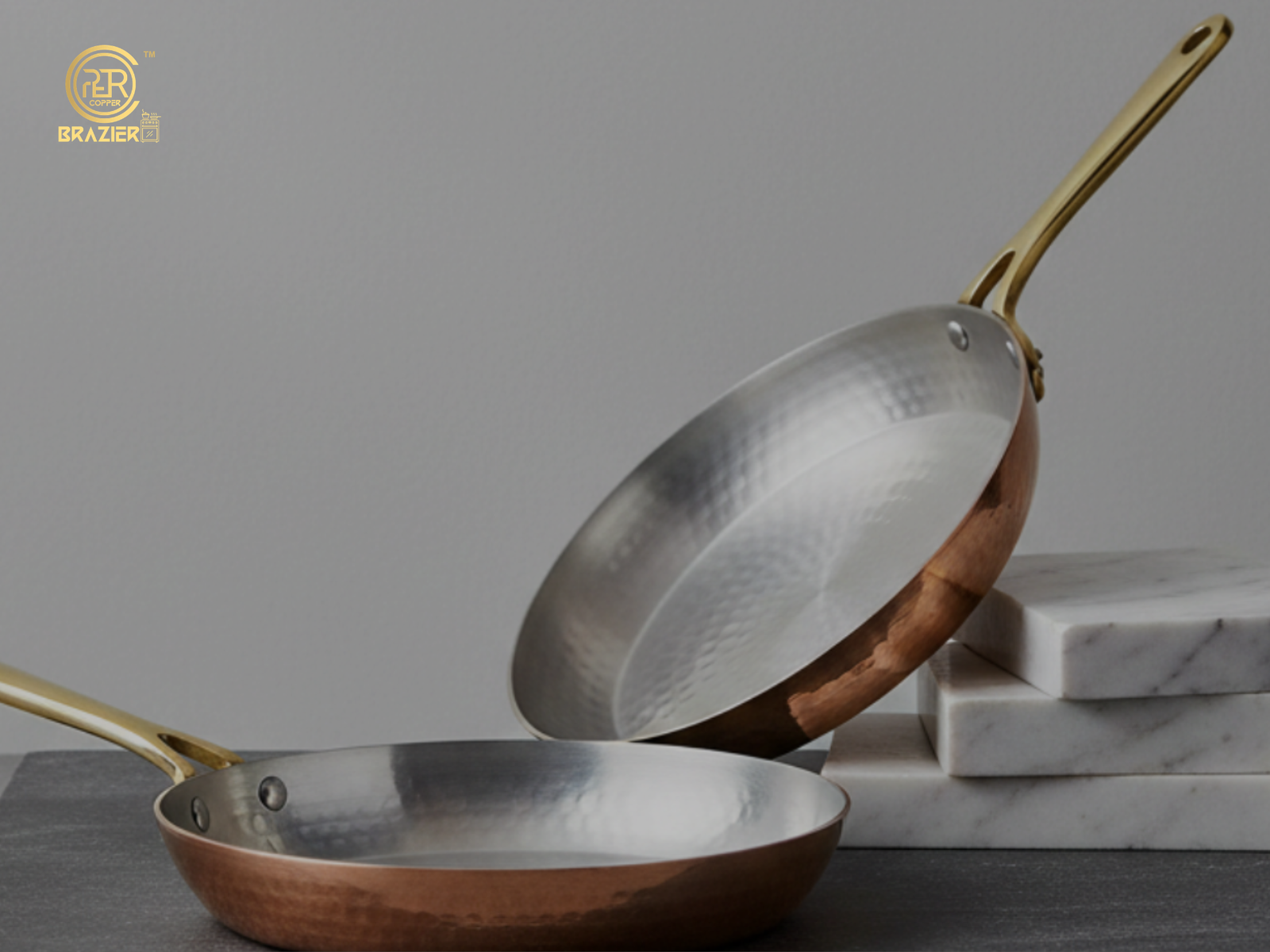
I still remember the exact moment my relationship with cookware changed forever. It was a Sunday morning. Guests were arriving in an hour. I stood at my stove, spatula in hand, staring down at my third non-stick frying pan in four years. The coating had started peeling again. Tiny black flecks floated in the eggs I was scrambling—the eggs I was about to serve to people I loved. I wanted to cry. Not because of the eggs. Because of the familiar, sinking realisation that I would soon be back at the home goods store, handing over another $70 because i don’t know about copper fry pan , bringing home another pan that would work beautifully for a few months and then quietly, inevitably betray me. That morning, I did something that felt utterly insane. I decided to spend $300 on a single copper frying pan. My wallet screamed. My practical brain called me reckless. But somewhere beneath all that noise, I knew something I hadn’t yet put into words: I was tired of paying for things twice. I was tired of kitchens that promised durability and delivered disappointment. I was tired of a cycle that had me spending more money over time than if I had simply bought quality from the very beginning. That morning, I stopped buying pans. I started investing in them. The Great Kitchen Lie We’ve been sold a story. It goes something like this: A $50 pan is cheaper than a $300 pan. That’s just math. That’s common sense. That’s being smart with your money. Except it’s none of those things. It’s the most expensive lie in the kitchen. Because that $50 pan isn’t just $50. It’s $50 today, and another $50 in two years, and another $50 in two more years. It’s the quiet, recurring subscription fee you never agreed to but keep paying anyway. It’s the cost of burned food because heat distribution was uneven. It’s the cost of time spent scrubbing surfaces that promised they’d never stick. It’s the cost of frustration that slowly, invisibly steals the joy from something that should be a pleasure. Add it all up over a decade, and something strange happens. The “expensive” pan becomes the cheap one. And the “cheap” pan reveals itself to be the most expensive thing you ever bought. Why Cheap Pans Keep Taking Your Money? Here’s what nobody tells you when you buy a budget pan. It arrives with an invisible expiration date stamped into its very design. Non-stick coatings aren’t built to last. They’re built to feel wonderful for about eighteen months and then degrade quietly, shedding microscopic particles into your food, losing their non-stick properties, turning from kitchen hero to kitchen frustration faster than you ever expected. Stainless steel budget options aren’t much better. Thin construction means hot spots that burn your food in one place while undercooking it in another. Warping over time means a pan that no longer sits flat on your burner. Handles that loosen. Rivets that weaken. None of these things happen because you did something wrong. They happen because the pan was never designed to last. It was designed to be replaced. And every time you replace it, you hand over more money. More time. More energy. Another Saturday afternoon spent researching pans instead of cooking in them. Another box to recycle. Another tool in your kitchen that feels slightly less trustworthy than the one before it. Cheap pans aren’t a one-time expense. They’re a subscription. And subscriptions, as anyone who’s ever checked their bank statement knows, always cost more in the long run than buying something outright. What Makes Copper Different? Copper doesn’t have an expiration date. It doesn’t wake up one morning and decide to stop working. It doesn’t come with coatings that promise forever and deliver a few seasons. It doesn’t warp, it doesn’t degrade, it doesn’t quietly become less useful with every passing year. What copper does is transform. The bright, gleaming surface you fall in love with on day one will slowly develop character. A rich, warm patina that tells the story of every meal you’ve made. Every sauce. Every sear. Every dinner shared with people you love. It becomes more beautiful with age, not less. More valuable. More yours. And underneath that evolving surface? The same flawless performance. The same instant heat response. The same even cooking that makes copper the material of choice for chefs who demand reliability. I’ve held copper pans that were made before my grandparents were born. They cook just as well today as they did a hundred years ago. Find me a non-stick copper fry pan from 1925. Go ahead. I’ll wait. You can’t. Because they didn’t exist. And if they had, they’d have been in a landfill decades ago. When you buy copper, you’re not buying a copper fry pan for this year or next year. You’re buying a copper fry pan for the rest of your life. And probably for whoever cooks in your kitchen after you. The Costs That Never Make It to the Price Tag Let me tell you about the math that spreadsheets can’t capture. There’s a cost to cooking with tools that frustrate you. It’s not a line item. It won’t show up on your bank statement. But you feel it every time you stand at the stove. The cost of burned food that should have been perfect. The cost of extra oil you use trying to compensate for surfaces that no longer release food easily. The cost of time spent scrubbing and soaking and wishing your copper fry pan worked as well as it used to. The cost of that small, quiet voice that says maybe you’re just not a good cook—when really, it’s the pan that’s failing you. And then there’s the cost of constantly thinking about replacements. The mental energy spent noticing that your pan is on its last legs. The research. The comparisons. The trip to the store. The box you recycle. The new

Copper and Brass Cookware, copper cookware, brass utensils, traditional cooking, healthy cooking, desi utensils, pure copper, brass cookware, ayurvedic cooking, eco kitchen, copper safety, is it safe, myths vs facts, healthy lifestyle, cooking tips, kitchen hacks, ancient wisdom, modern kitchen, kitchen essentials, homemaker, vibe kitchen, aesthetic kitchen, vintage kitchen, utensils
Benefits of Brass and Copper Cookware

How to Choose Copper and Brass Cookware That Won’t Leach

The gorgeous, gleaming Copper and Brass Cookware hanging in a fancy kitchen or brass glasses showing up on your Instagram feed. They look like art. They promise a level of cooking control that non-stick pans could only dream of. But then, you start reading the comments. Someone mentions “toxicity.” Another person warns about “leaching.” Suddenly, that beautiful pan looks a little less appetizing. So, what is the truth? Is copper cookware a chef’s secret weapon or a health hazard waiting to happen? The answer, luckily, isn’t scary—it’s actually pretty simple. It all comes down to one thing: How you choose. Let’s cut through the noise and figure out exactly how to bring the safest, most effective cookware into your kitchen without the risk. The Science of “Leaching” in Copper and Brass Cookware First, let’s address the elephant in the room: Toxicity. Copper and Brass Cookware (which is an alloy of copper and zinc) are “reactive” metals. This is a scientific way of saying that when they come into contact with certain foods—specifically acidic ones like tomatoes, vinegar, or lemon juice—tiny molecules of the metal can transfer into your food. If you consume too much free copper, it can lead to nausea and other health issues. That is a fact. However, this doesn’t mean you have to throw away your grandmother’s copper pan. It just means you need to be smart about the construction of that pan. The Golden Rule: Look for the Lining Here is the single most important tip you will ever read about buying copper cookware: If it is unlined, do not cook acidic food in it. Traditional copper cookware (specifically for things like whipping egg whites) is unlined. But for everyday cooking like stews, sauces, and curries, the copper must be separated from the food by a barrier. When shopping for safe cookware, you are looking for two specific types of linings: 1. Tin Lining (The Traditional Choice) Tin has been used to line copper pots in France for centuries. 2. Steel Lining (The Modern Workhorse) This is what you will find in most high-end, contemporary copper cookware. Bottom line: If the inside of the pot is shiny and silvery (stainless steel) or looks like old silverware (tin), you are holding a safe piece of cookware. The Red Flag: Brass and Unlined Copper Now, let’s talk about what to avoid. You might see beautiful, hammered brass cookware or solid copper mugs at a market. If the inside of that brass cup or copper pot is bare metal (a yellow/gold or reddish color), do not cook with it. This type of cookware is usually intended for serving or as decorative pieces, not for boiling or simmering. Using them for hot liquids is where the risk of zinc or copper toxicity comes into play. Your 3-Step “Safe Shopping” Checklist Use this checklist the next time you are browsing for cookware online or in a store: Why Bother with Copper at All? Given the risks, why not just stick to stainless steel or ceramic? Because copper offers something no other material does: Thermal conductivity. Copper heats up instantly and evenly. It prevents “hot spots” where your food can burn. It gives you the precise temperature control you need to make perfect caramel, delicate fish, or creamy risotto. When it is made correctly and safely, it is the best cooking surface on the planet. Final Thoughts Safe copper and brass cookware isn’t a myth. It exists. It just requires you to be a smart shopper. Navigating the world of safe, high-performance Copper and Brass Cookware can be overwhelming. You want the beauty and precision of copper, but you need the peace of mind that comes with modern safety standards. If you wanna know more about the cookware safety, benefits, or you want the cookware to upgrade your kitchen then your trusted and 100% genuine partner is Copper Brazier. We believe in bringing you the beauty of traditional metals with the peace of mind of modern safety standards. Happy cooking

copper cookware, brass utensils, traditional cooking, healthy cooking, desi utensils, pure copper, brass cookware, ayurvedic cooking, eco kitchen, copper safety, is it safe, myths vs facts, healthy lifestyle, cooking tips, kitchen hacks, ancient wisdom, modern kitchen, kitchen essentials, homemaker, vibe kitchen, aesthetic kitchen, vintage kitchen, utensils, home decor, insta good, viral reels, trending reels, explore page, for you, fyp, instagram reels, viral videos, reels instagram, copper brazier, shop local, support small business, copper pots
Benefits of Brass and Copper Cookware

Season, Clean & Care for Brass Pots for Generational Use

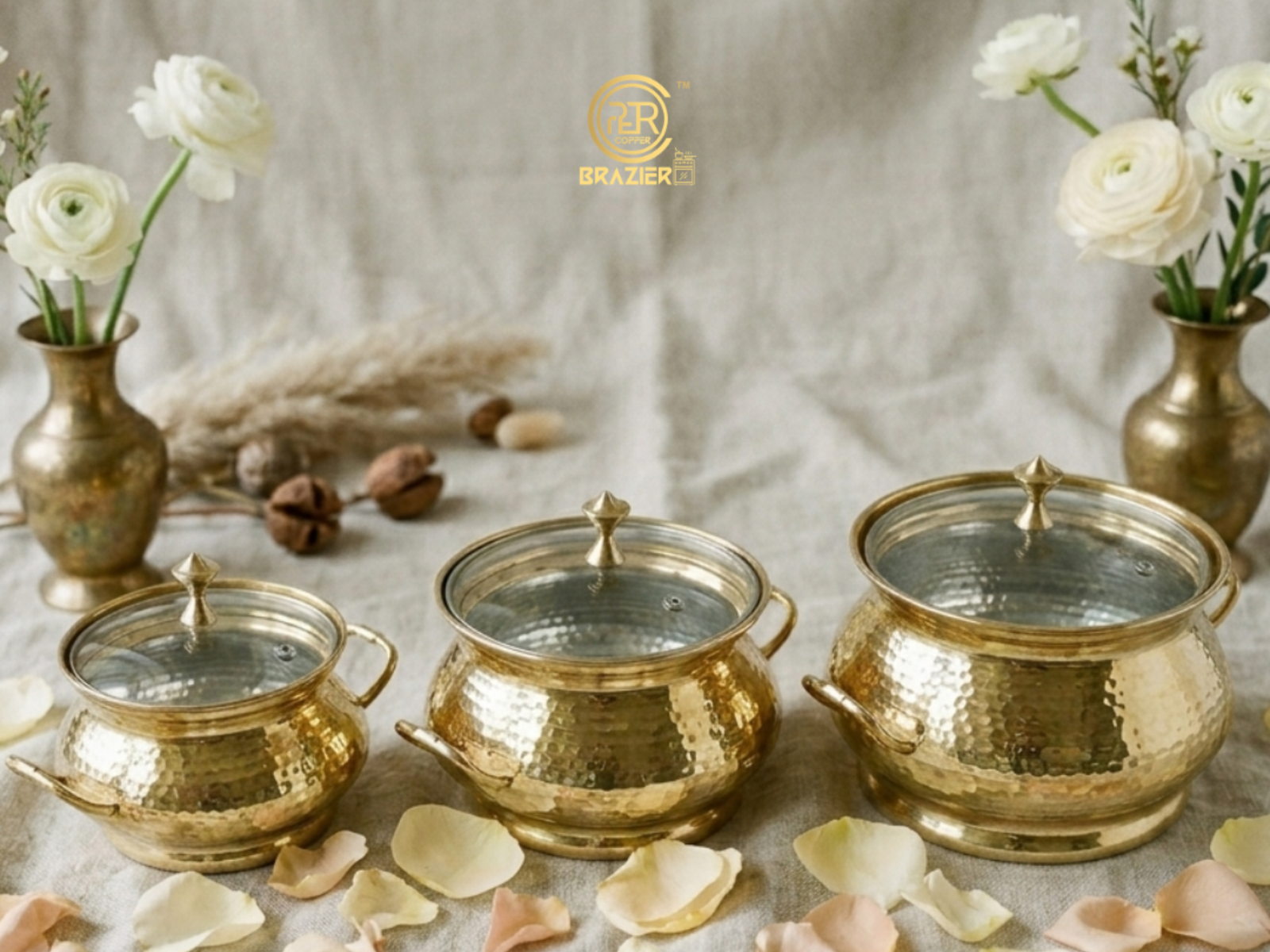
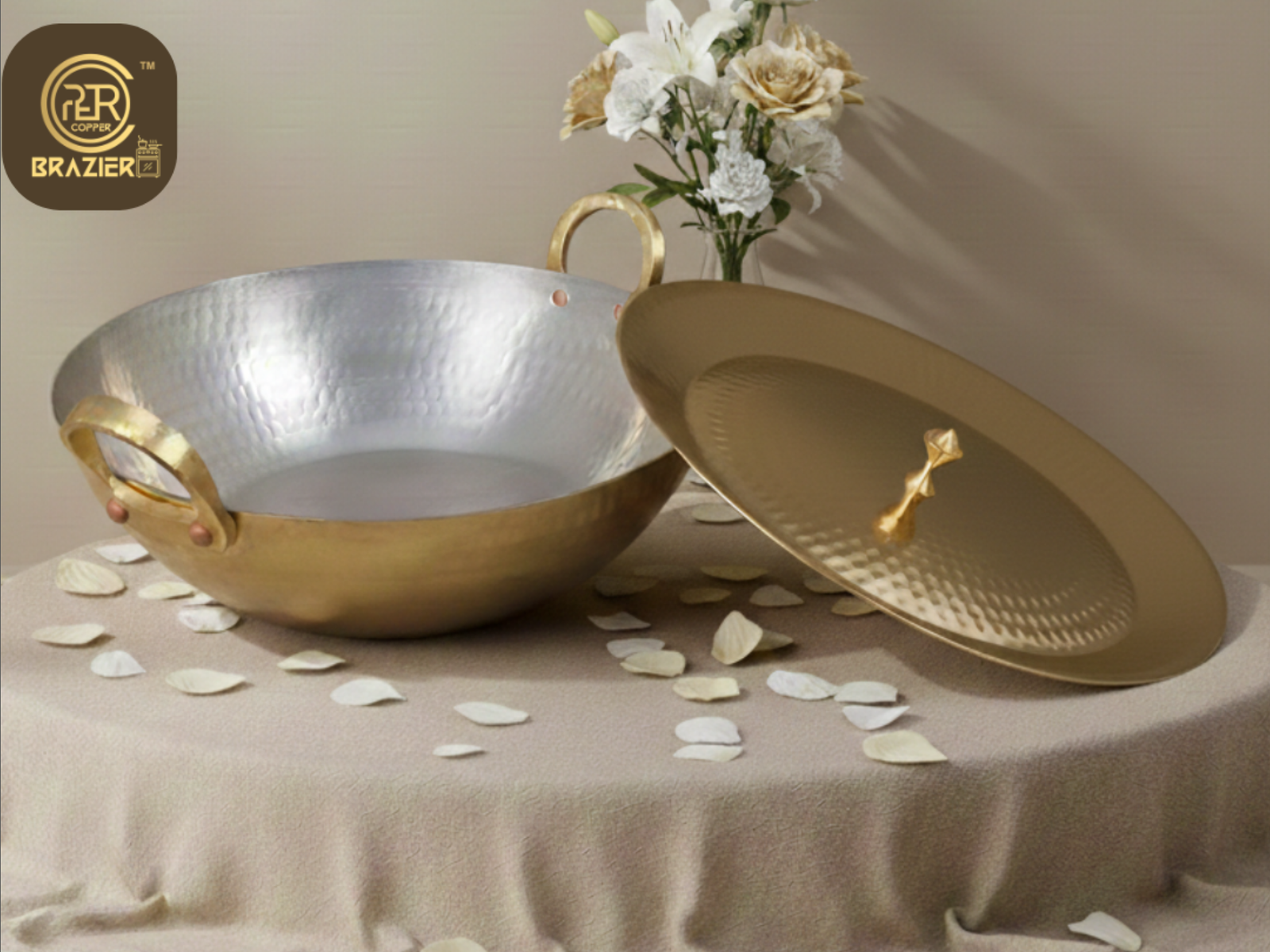
Investing in a set of brass cookware is more than just a kitchen upgrade; it is an investment in heritage, health, and culinary tradition. These golden-hued vessels are renowned for their superior heat conductivity and timeless beauty. However, brass is a living metal. Unlike disposable non-stick pans, brass reacts to its environment. To ensure your brass pots and handis don’t just last for years, but for generations, you need to understand the specific rhythm of seasoning, cleaning, and caring for them. Here is your ultimate guide to preserving the soul of your kitchen. Why Does Brass Pots Need Special Attention? Before diving into the “how,” it’s important to understand the “why.” Brass is an alloy of copper and zinc. It is naturally reactive to acidic foods and moisture in the air. If left untreated, it will tarnish (develop a patina) or leach metallic flavors into your food. This is why most brass pots & cookware intended for cooking is lined with a different metal—traditionally tin—in a process known as Kalai. The Kalai Factor – Understanding Your Pot’s Lining To care for your brass pots correctly, you must first know what is inside it. There are generally two types of brass cookware: The Golden Rule: If your pot has a tin lining, you treat the tin, not the brass, during cooking. How to Season Your Brass Cookware? “Seasoning” refers to preparing the surface for cooking. For unlined cast iron, this means oil. For tin-lined brass, seasoning is slightly different. For Brand New Tin-Lined Brass When you bring home a new brass pots, it needs a gentle wash to remove any manufacturing dust or protective coatings applied during shipping. How to Clean Brass Cookware? This is where most people go wrong. Abrasive cleaners and harsh chemicals are the enemy of a long-lasting brass pots. Daily Cleaning Routine Deep Cleaning for Stubborn Stains or Tarnish If your pot has dark spots or the exterior brass has lost its shine: Warning: Avoid using tamarind or high-acid cleaners on the inside of tin-lined pots. Maintenance Tips for Longevity To ensure your brass cookware becomes a family heirloom, follow these simple rules: 1. Avoid Thermal Shock Always allow the pot to cool down to room temperature before washing. Similarly, when cooking, start with medium heat. Brass heats up incredibly fast; you don’t need a high flame. 2. Watch Your Utensils Metal spoons and spatulas can scratch and dent the soft tin lining over time. Stick to wooden, silicone, or heat-resistant nylon utensils. 3. Store It Dry Moisture is the enemy of metal. Before storing your pots: 4. The Art of Re-Tinning (Re-Kalai) No matter how well you care for it, the tin lining will eventually wear thin after years of use (usually 5-10 years). You will know it’s time for re-tinning when you see the reddish hue of the brass peeking through the silver lining. This is not a sign of a bad pot; it is simply maintenance. You can take your pots to local artisans who specialize in Kalai to have them re-lined, giving them a second life. What NOT to Do To make your brass last generations, commit these “never” rules to memory: The Reward of Heirloom Care Caring for brass cookware requires a bit more mindfulness than tossing a non-stick pan in the dishwasher. But the reward is immense. With every gentle wash and careful dry, you are preserving a piece of art. These pots develop a character over time—a slight patina here, a well-worn handle there—that tells the story of the meals shared and the hands that cooked them. By following this guide, you ensure that the pot you use today can be passed down to your children and grandchildren, still shining and still cooking delicious meals. Ready to Start Your Heirloom Collection? If you are looking for authentic, high-quality brass pots and cookware that is built to last for generations, you need a source you can trust. Don’t settle for mass-produced imitations that lack the purity and craftsmanship of true artisan ware. If you really want to buy products that are 100% pure and from a trusted partner, contact Copper Brazier.

copper cookware
Benefits of Brass and Copper Cookware

Why Your Food Tastes Better Cooked in Copper?

It’s not just about fancy kitchens—copper’s unique scientific properties provide precise heat control that transforms texture and taste, from delicate sauces to perfectly seared meats. We’ve all been there: You follow a recipe to the letter, but your hollandaise sauce splits, your caramel burns, or your steak cooks unevenly. While we often blame our ingredients or our own skill, the unsung hero (or villain) of the kitchen is often the material of your pot or pan. For generations, skilled chefs have used copper cookware as the gold standard. But why? The answer lies in physics and material science. Here is why cooking with copper doesn’t just feel luxurious—it genuinely makes your food taste better. The Science: Thermal Conductivity Explained To understand why copper outperforms other materials, we have to look at a property called thermal conductivity—the rate at which heat moves through metal. 1. No More Hot Spots (Perfectly Even Cooking) Because copper spreads heat so rapidly across its surface, it eliminates “hot spots.” When you pour batter for a crepe or caramel for a sauce into a copper pan, the entire surface is the exact same temperature. 2. Instant Responsiveness (Fingertip Control) Copper doesn’t just heat up fast; it cools down fast . Because the metal is so conductive, it reacts instantly when you adjust the dial. Lined for Safety, Built for Flavor One of the biggest concerns home cooks have about copper is safety. It’s true—raw, unlined copper can react with acidic foods (like tomatoes, vinegar, or lemon juice), leaching metallic flavors and potentially causing copper toxicity However, modern copper cookware is designed to solve this. Most high-end copper pots and pans are lined with a non-reactive metal, creating a barrier that keeps your food safe while utilizing copper’s heating properties. The result: You get the precise heat control of copper, but your food tastes exactly as it should—pure, untainted flavor. Energy Efficiency: Good for the Planet, Good for Your Wallet Because copper conducts heat so efficiently, you don’t need to crank your burner too high to get results. Practical Tips: Getting the Most Out of Your Copper To ensure your copper cookware continues to make your food taste great for decades, follow these simple maintenance rules: The Verdict: Is Copper Worth It? If you are passionate about cooking—whether you are making a simple grilled cheese or an intricate French sauce—copper offers an experience and a result that is hard to match. It turns cooking from a chore into a responsive, interactive process. The even heating translates directly to better texture, better browning, and ultimately, better flavor on your plate. Have Questions? We’re Here to Help! Choosing the right cookware is a big decision for your family’s health and your culinary happiness. If you want to know more about the benefits of copper, how to choose the right gauge, or how to care for your pieces, don’t hesitate to reach out. At Copper Brazier, we are dedicated to guiding you through the world of healthy, high-performance cookware. We believe that cooking should be a joy, and the right tools make all the difference for you and your family’s well-being. Contact Copper Brazier today—let us help you find the perfect piece to bring warmth, health, and exceptional flavor to your kitchen!

Brass Lagan
Copper Products

5 Traditional Ramadan Dishes You Must Cook in a Brass Lagan

Ramadan 2026 is approaching, and if you have a Brass Lagan in your home, it can double the elegance of both your Iftar and Eid celebrations. A brass lagan is not just a cooking vessel. It is part of Indo-Pakistani heritage and tradition. Whether it’s the kheer made by your grandmother’s hands or the shahi tukda on Eid morning – the richness and flavour that food develops in a brass lagan can never be replicated in stainless steel or non-stick cookware. And let’s be honest? During Ramadan, the demand for the brass lagan increases even more. Why? Because food cooked on a slow flame in a brass lagan stays warm and fresh on the Iftar table even 4–5 hours later. Today, we’ll share 5 traditional Ramadan dishes that absolutely must be cooked in a brass lagan. These are the recipes that can become your family’s legacy. Why Brass Lagan for Ramadan? The shape and material of a brass lagan are both special: Note: Always use a tin-coated brass lagan for gravy dishes. If the coating has worn off, get it re-tinned by a professional. 1. Mutton Korma Lucknowi Korma demands a slow flame and time. Brass lagan transfers heat gradually, making the meat tender on the inside and soft on the outside. Quick Recipe: Result: An aroma of korma that spreads through the entire house. Still warm and creamy 2 hours after Iftar. 2. Shahi Tukda Making shahi tukda is easy, but getting the caramel perfect is difficult. In a brass lagan, ghee melts slowly and the bread doesn’t burn – instead, it turns crisp and golden. Quick Recipe: Result: Place the brass lagan on the table on Eid morning, your guests won’t be able to stop praising it. 3. Daal Bukhara Authentic Daal Bukhara is cooked for 12 hours. Brass lagan retains heat exceptionally well, so the dal left on the stove overnight doesn’t burn – instead, it becomes creamier with time. Quick Recipe: Result: Hot Daal Bukhara in a brass lagan at Sehri during Ramadan – a taste of paradise. 4. Zarda Pulao There’s always a fear of zarda sticking to the bottom. The non-stick property of a brass lagan (if properly seasoned) prevents the rice from clumping and gives it that beautiful pinkish-white colour. Quick Recipe: Result: The perfect sweet ending to an Eid feast. Loved by children and adults alike. 5. Murgh Musallam A whole chicken – yes, the entire bird. The brass lagan is wide enough to comfortably fit a full chicken. This ensures even cooking and plenty of gravy. Quick Recipe: Result: A dish that disappears in 1 minute. Guests will be licking their fingers. How to Maintain Your Brass Lagan After Ramadan? After Ramadan ends, many people pack their brass lagan away in cupboards, only to find it blackened and tarnished when they take it out the next year. Don’t make this mistake. DO: DON’T: Conclusion A brass lagan is not just cookware – it is the soul of Ramadan. Whether it’s Mutton Korma or Shahi Tukda, the grace and tradition with which food cooks in a brass lagan can never be replicated by modern kitchen tools. This Ramadan, take out your brass lagan, clean it with care, and make at least one of these 5 dishes. Your family will say: “What’s the special occasion today? The food is absolutely incredible!” And you’ll smile and reply: “It’s not my hands – it’s the magic of the vessel.” Not all that glitters is gold—or pure brass. If you’re looking for genuine, traditionally crafted brass lagans, look no further than Copper Brazier. Trusted and committed to purity, every lagan is authentically made, properly tin-lined, and built to last generations—not seasons.

Scroll to Top
×

This is your free popup message.